


SS’26 NOW LIVE
10% OFF YOUR FIRST ORDER · FIRST10
FREE SHIPPING ACROSS INDIA
SS’26 NOW LIVE
10% OFF YOUR FIRST ORDER · FIRST10
FREE SHIPPING ACROSS INDIA
SS’26 NOW LIVE
10% OFF YOUR FIRST ORDER · FIRST10
FREE SHIPPING ACROSS INDIA
SS’26 NOW LIVE
10% OFF YOUR FIRST ORDER · FIRST10
FREE SHIPPING ACROSS INDIA
SS’26 NOW LIVE
10% OFF YOUR FIRST ORDER · FIRST10
FREE SHIPPING ACROSS INDIA
SS’26 NOW LIVE
10% OFF YOUR FIRST ORDER · FIRST10
FREE SHIPPING ACROSS INDIA
SS’26 NOW LIVE
10% OFF YOUR FIRST ORDER · FIRST10
FREE SHIPPING ACROSS INDIA
SS’26 NOW LIVE
10% OFF YOUR FIRST ORDER · FIRST10
FREE SHIPPING ACROSS INDIA
SS’26 NOW LIVE
10% OFF YOUR FIRST ORDER · FIRST10
FREE SHIPPING ACROSS INDIA


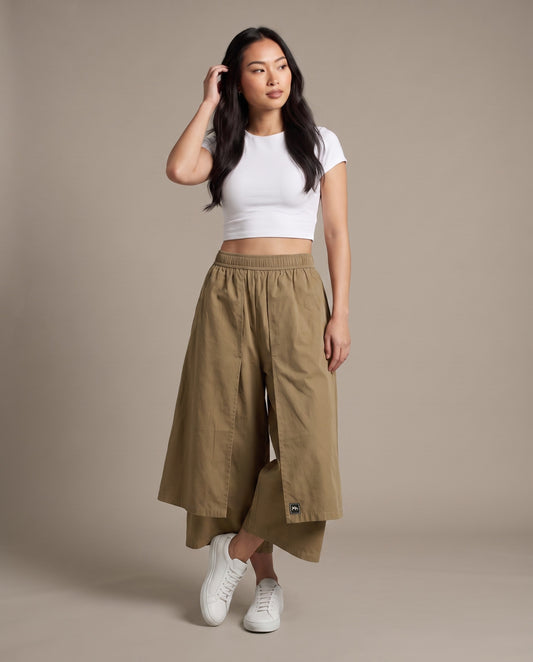


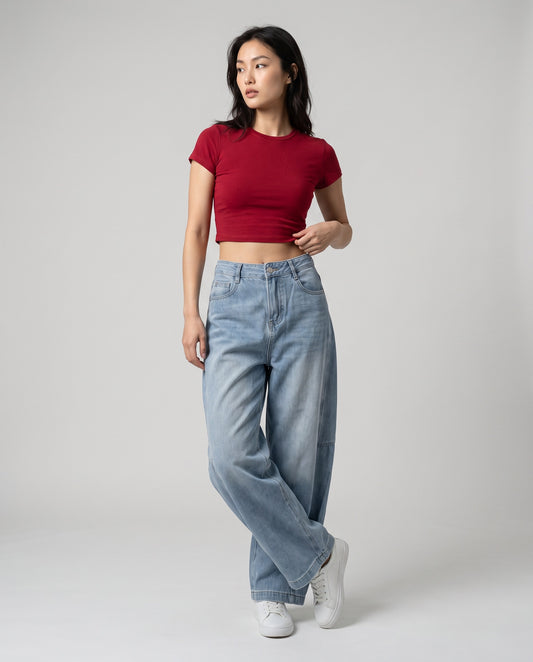


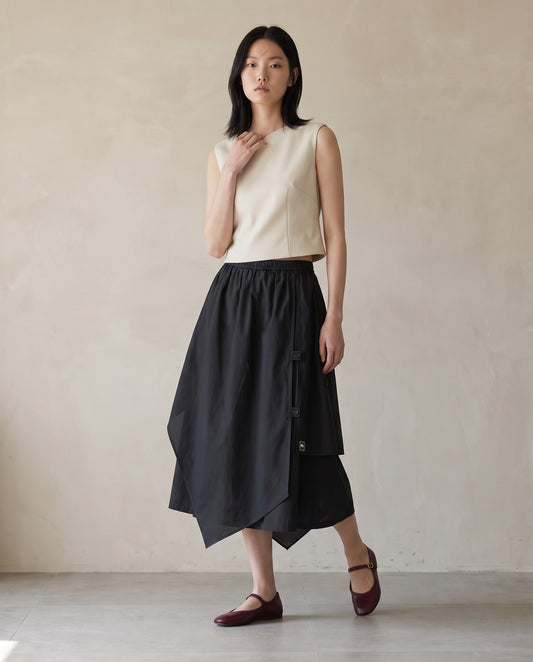
















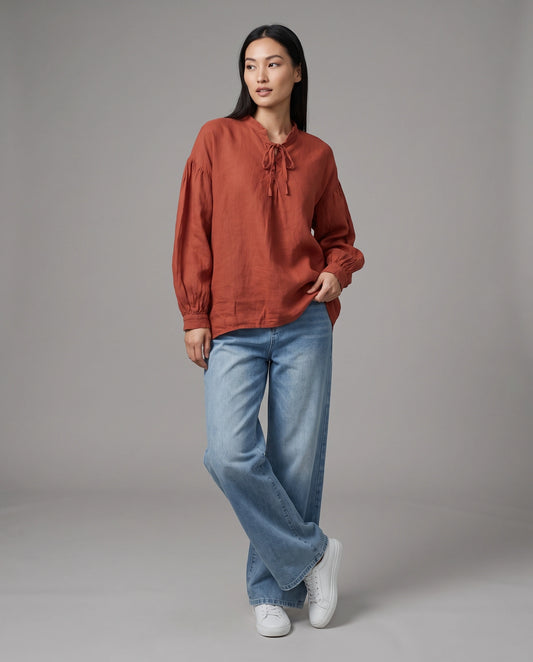

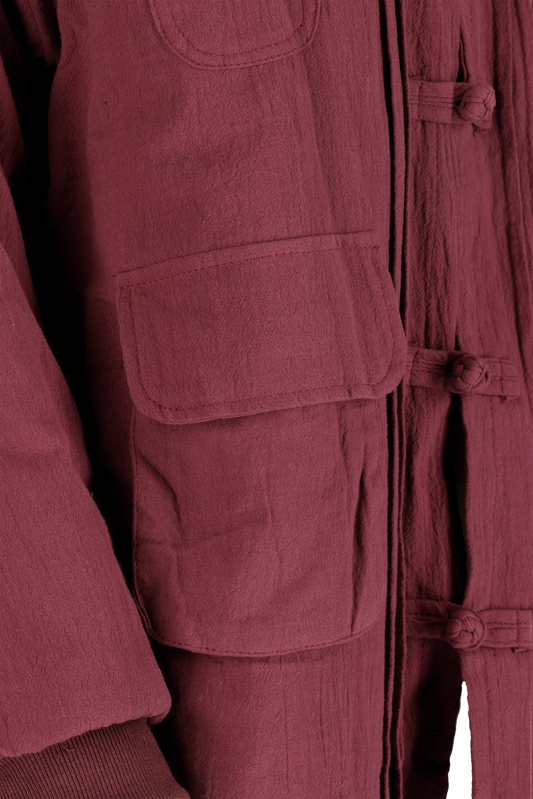


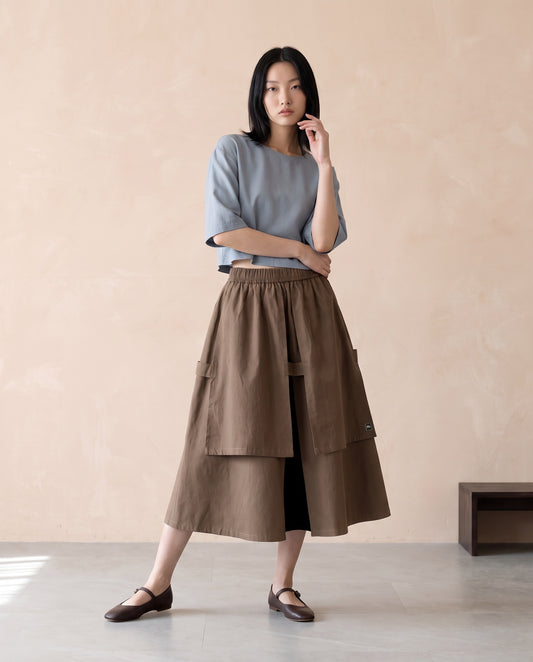

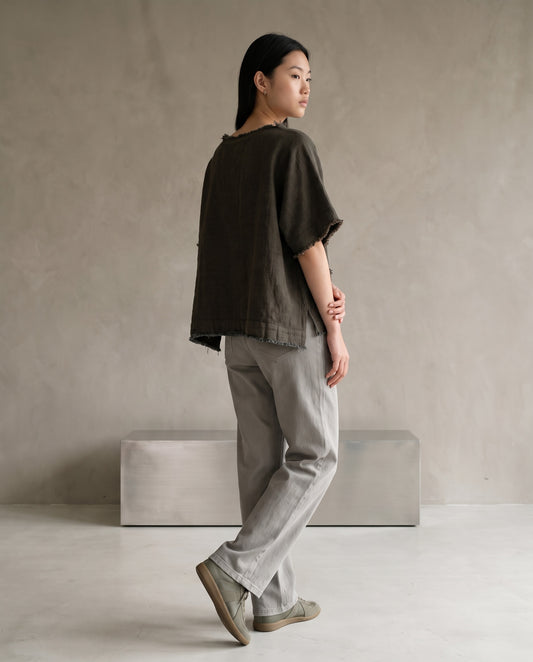





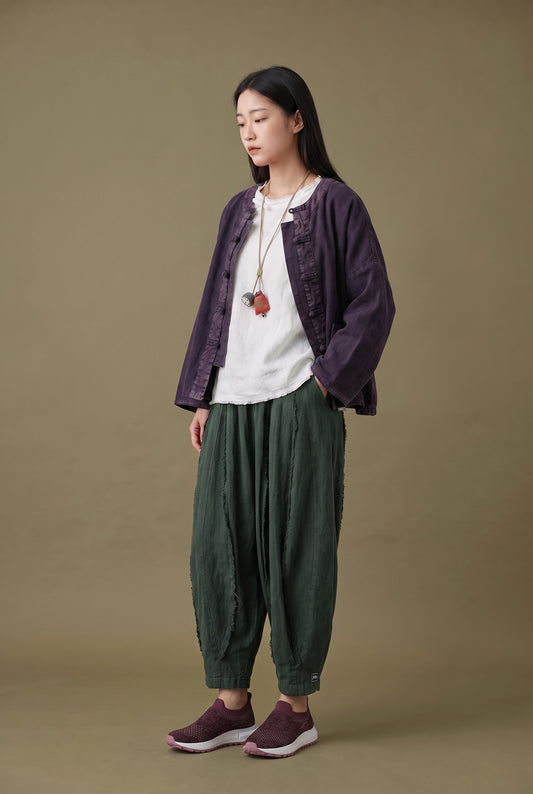



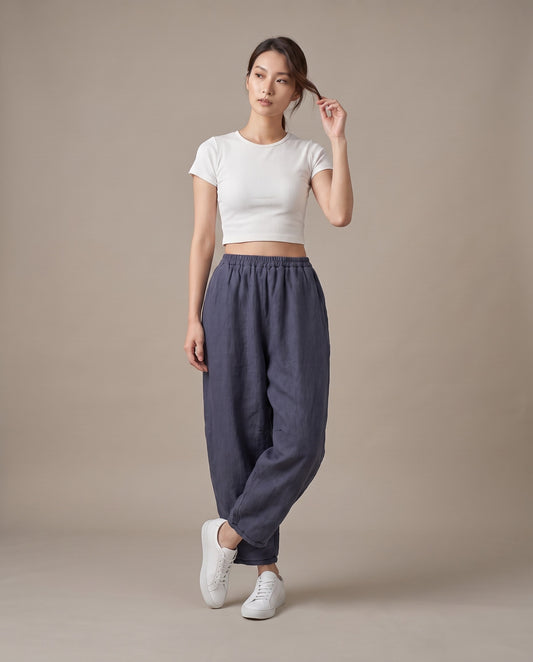

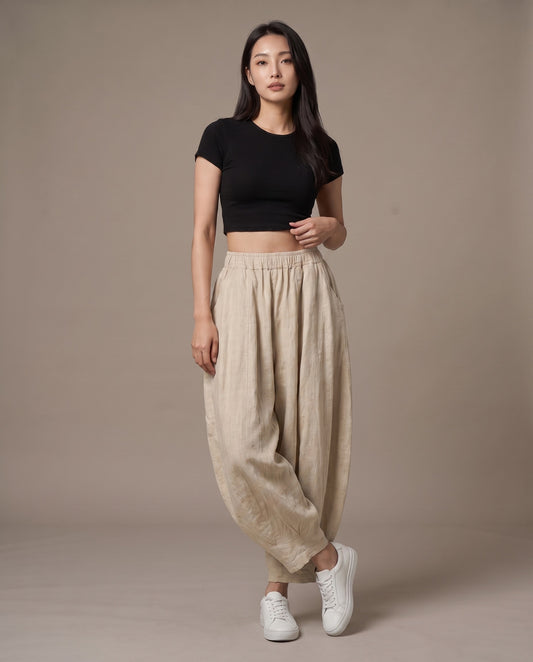
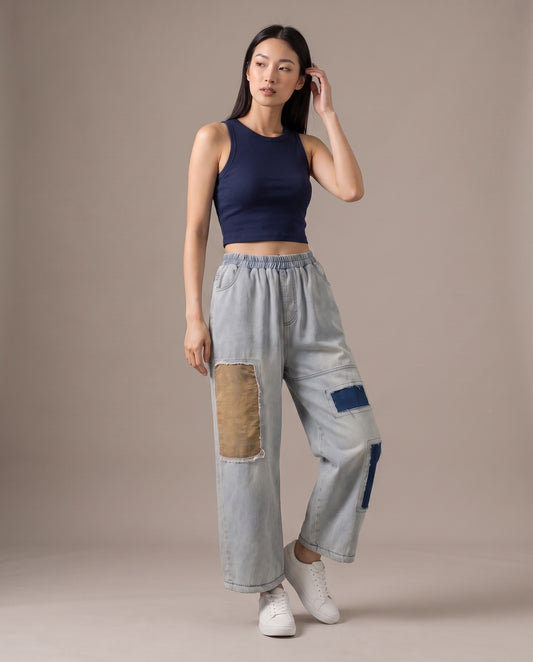


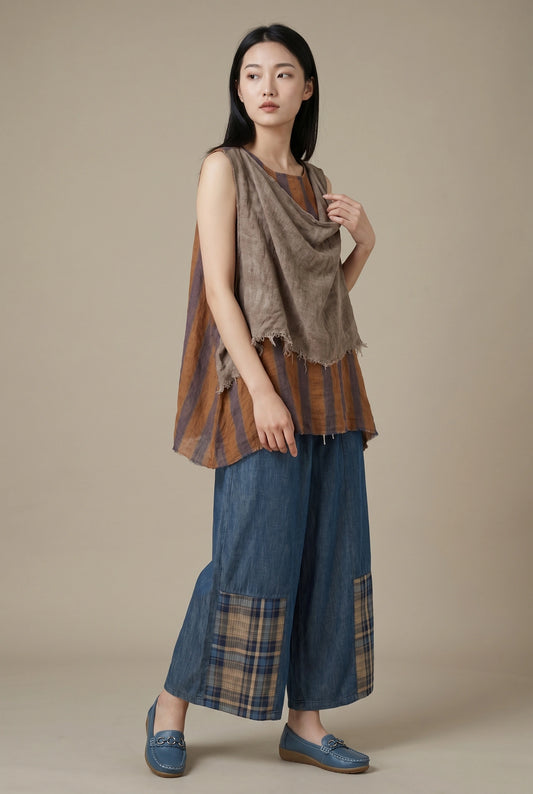











What Is Ramie Fabric? How It Feels Compared With Linen and Cotton
Share
Ramie is a natural bast fibre made from the stem of the ramie plant. It is known for a dry, crisp hand feel, a subtle lustre and good strength. In clothing, it can feel light and breathable, but it usually has more structure and less softness than familiar cotton. Compared with linen, ramie can look smoother and slightly sharper while still carrying a natural texture.
The best choice depends on the garment, not just the fibre name. A light ramie shirt can feel very different from a dense cotton piece or a heavily structured linen layer. Weave, weight, fit and finishing all affect how the fabric behaves.
Ramie vs linen vs cotton at a glance
| Fabric | Typical feel | Visual character | Useful when |
|---|---|---|---|
| Ramie | Dry, crisp and lightly structured | Subtle lustre with a clean natural texture | You want an airy shirt with more shape than a very soft fabric |
| Linen | Light, textured and often increasingly soft with wear | Visible slubs and an easy, lived-in surface | You want an open, relaxed layer for warm weather |
| Cotton | Usually soft and familiar, with a wide range of finishes | Can be smooth, crisp, brushed or structured | You want versatility and a particular level of softness or weight |
What does ramie fabric feel like?
Ramie often feels crisp rather than plush. It can have a smooth surface and a slight natural sheen, which gives the fabric a more defined appearance than a soft jersey or brushed cotton. Some people like that clean hand feel because it gives a shirt shape without needing heavy tailoring.
It can also feel less forgiving than cotton when the garment is cut too close. A relaxed fit gives the fabric room to move and makes its structure feel intentional. A close-fitting ramie piece may feel more rigid, especially when the cloth is light but not especially elastic.
Like linen, ramie can crease. The creasing is part of the character of many natural woven fabrics. If you prefer a very smooth appearance all day, check the garment’s construction and care guidance rather than assuming the fibre alone will determine the finish.
Is ramie breathable?
Ramie is commonly used for light woven clothing because it can allow air to move through the fabric. Its moisture absorbency and dry hand can also make it useful in warm-weather dressing. The actual comfort of a ramie garment still depends on the weave, weight, lining, sleeve length and fit.
For hot or humid weather, an airy cut usually matters as much as the material. An open neckline, relaxed sleeve, loose shirt or shorter layer can help the body feel less enclosed. A dense or close garment may feel warm even when the fibre is generally associated with breathable clothing.
How does ramie compare with linen?
Ramie and linen are both plant-based bast fibres, but they do not always feel the same. Linen often has a more visible, softly irregular texture and an easy drape. Ramie can feel crisper and look slightly smoother or more lustrous, with a cleaner sense of structure.
Choose linen when you want a relaxed, tactile surface and an uncomplicated warm-weather layer. Choose ramie when you want a light shirt with a little more crispness and definition. Neither is automatically better. The right choice depends on whether you want the fabric to fall softly or hold a clearer line.
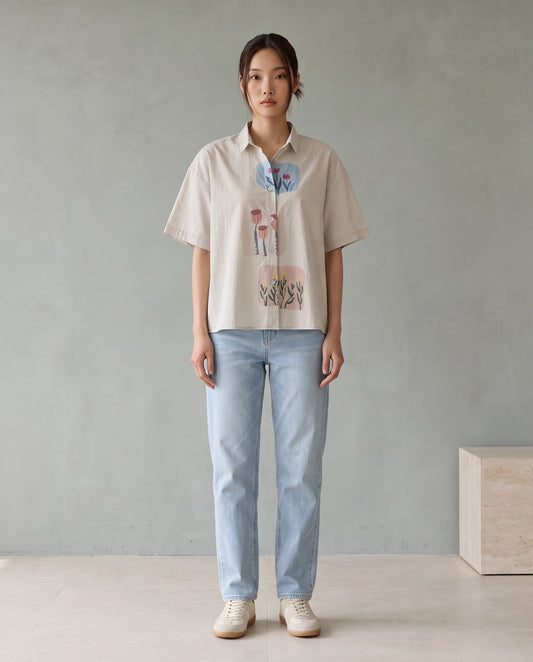
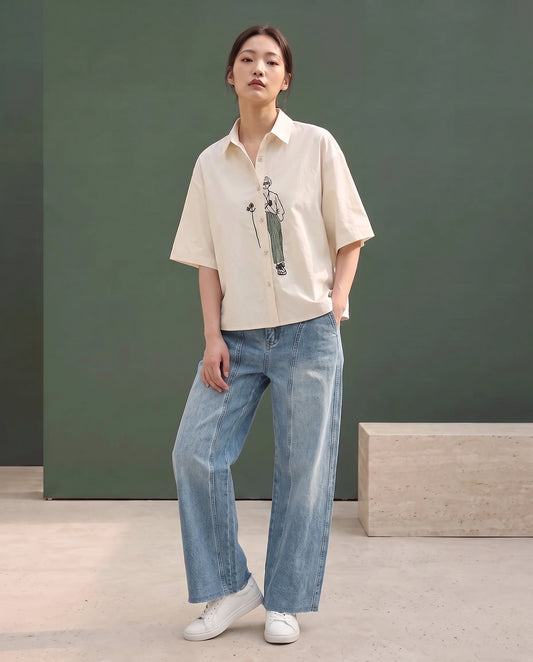
Cheesecherry’s Whimsical Graphic Print Ramie Shirt is one current example where the fibre and shirt category are explicit in the live product name. Its graphic surface makes the fabric part of the styling story, so a simple trouser or skirt can give it room.
How does ramie compare with cotton?
Cotton is a broad category with many different textures and weights. A light cotton shirt can feel soft and easy, while a heavier cotton garment can feel structured and substantial. Ramie tends to bring more natural crispness and less stretch to the conversation.
Choose cotton when softness, familiarity or a particular surface matters most. Choose ramie when you want a shirt that feels light but has a little more body and visual definition. In humid conditions, compare the actual garment weight and fit. A lightweight, relaxed cotton item can be more comfortable than a dense ramie item, just as a light ramie shirt can feel easier than a heavy cotton one.
When should you choose ramie clothing?
Ramie works well when you want a shirt that can stand on its own without looking stiff. It can suit a casual wardrobe, a creative workplace or a layered everyday outfit, depending on the print, cut and styling.
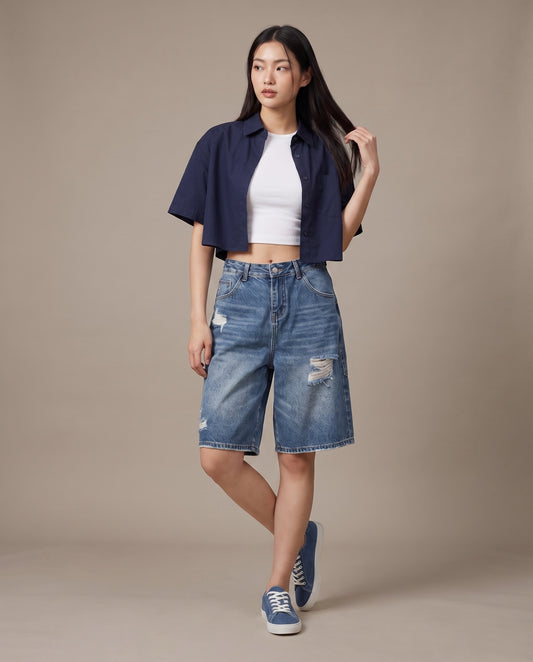
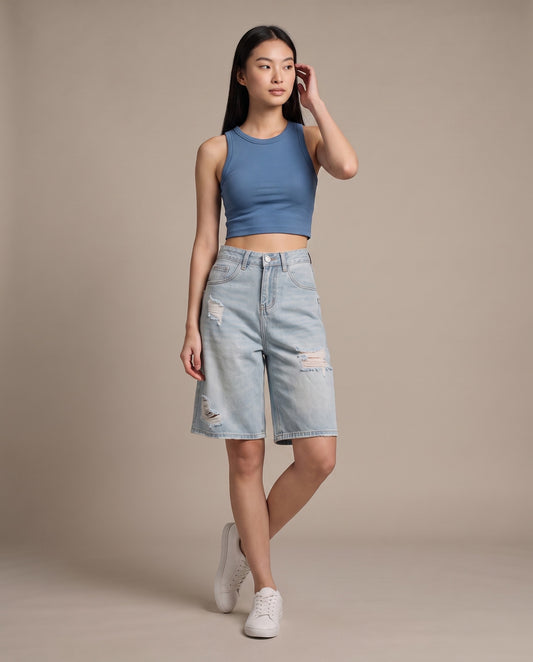
It is especially useful when you want a top with some visual presence but do not want a heavy fabric. A crisp ramie shirt can pair with relaxed trousers, denim, a midi skirt or a simple short. The fabric supplies structure, while the rest of the outfit can remain easy.
Ramie shirts at Cheesecherry
Cheesecherry’s current catalog includes four Ramie shirts in the Shirts collection and Tops collection. The Multicolour Dot Print Ramie Shirt and Multicolour Doodle Print Ramie Shirt use the fibre and print as the main visual information.
The Yellow Ginkgo Leaf Print Ramie Shirt takes the same material category in a botanical direction. With a printed ramie shirt, keep the rest of the outfit relatively quiet or repeat one colour from the design. The fabric already brings surface and structure, so it does not need several competing layers.
How to style ramie for everyday wear
With relaxed trousers
Wear a ramie shirt open over a simple base, partly tucked into relaxed trousers or buttoned with the sleeves pushed up. The crisp fabric gives the trouser a clearer upper line without making the outfit feel formal.
With denim
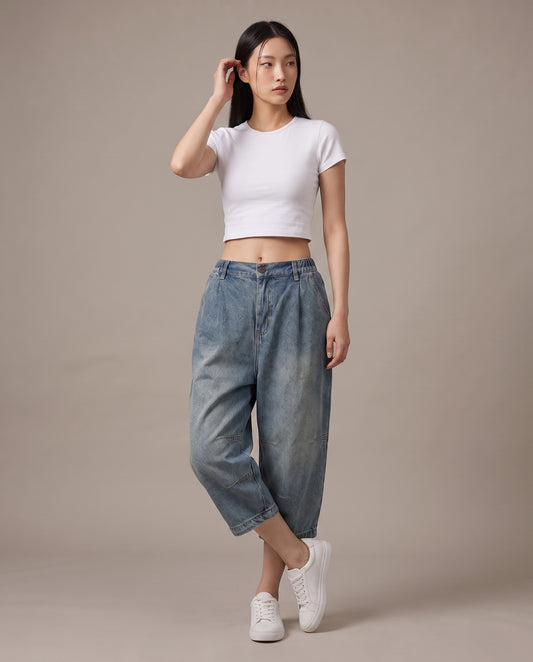
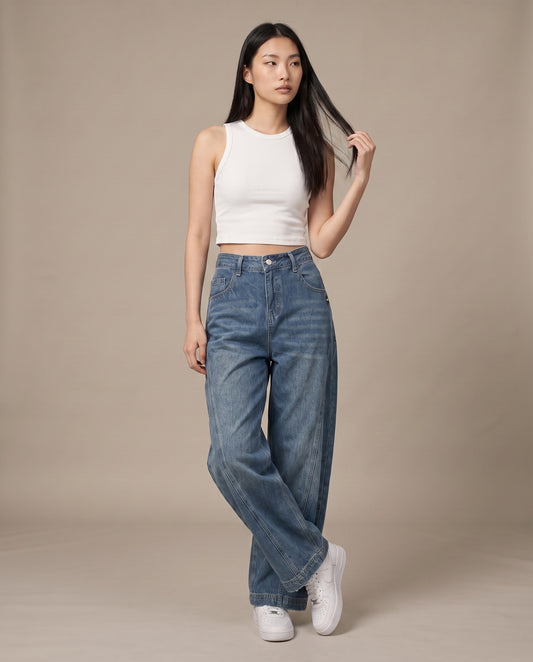
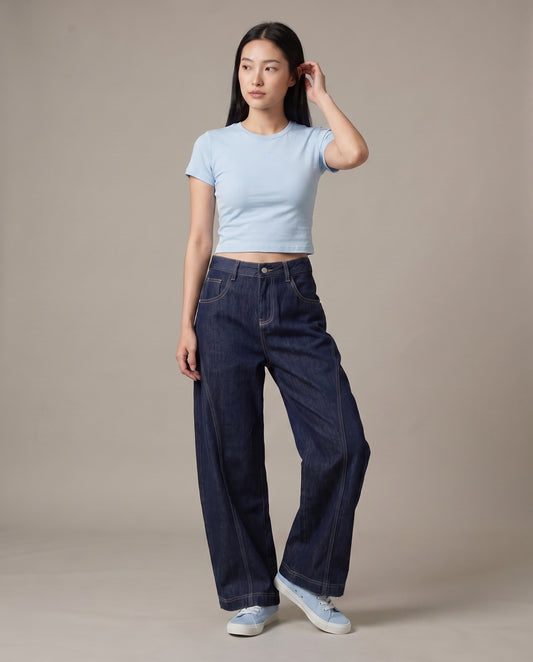
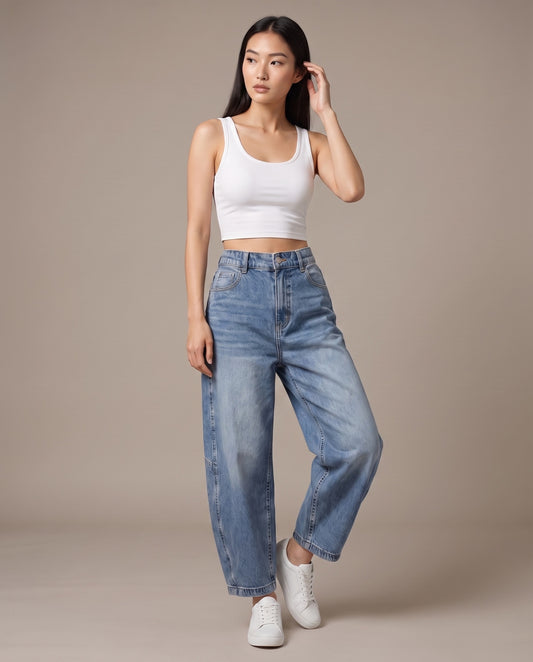
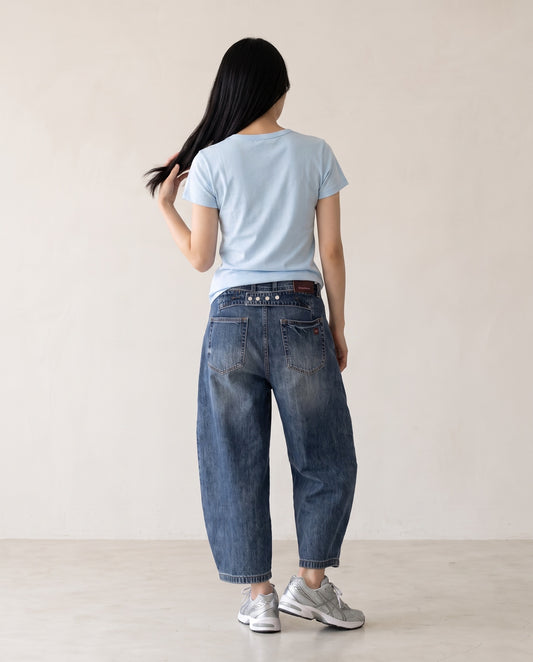
A ramie shirt can soften the contrast of denim while adding more structure than a basic T-shirt. Leave it open for a casual look or tuck it into a curved or wide-leg jean when you want the waist to remain visible.
With a midi skirt
A crisp shirt can balance a layered or flowing midi skirt. Tuck it in to show the waist, or wear it open over a simple base when you want a longer vertical line. Keep the accessories edited if the shirt has a noticeable print.
Does ramie shrink or need special care?
Care depends on the specific garment, finish and construction. Do not treat every ramie piece as if it has identical washing or drying requirements. Use the product’s care label as the final guide, especially for printed shirts or garments with detailed construction.
As with other natural woven fabrics, avoid judging the fabric only by how it looks straight from storage. A little creasing can be part of the material’s character. If you prefer a sharper appearance, follow the care guidance and use the finishing method suitable for the garment.
Is ramie good for Indian weather?
A light, loose ramie shirt can be a useful option for warm Indian weather, particularly when you want a woven top with airflow and structure. It can work as a standalone shirt or as an open layer over a simple base.
For humid days, pay attention to the complete outfit. Choose a relaxed fit, avoid unnecessary heavy layers and leave space around the neckline or sleeves when that suits the garment. The fibre helps, but the cut and construction decide much of the experience.
For a broader guide to natural fibres, read What Are Natural Fabrics and Why They Feel Better for Everyday Clothing. Ramie is a useful addition to that conversation because it sits between softness and structure in a way that feels distinct from both cotton and linen.
The short answer
Ramie is a natural bast fibre with a crisp, lightly structured feel and a subtle sheen. Compared with cotton, it is often more defined and less soft. Compared with linen, it can feel smoother and sharper while still working well in light, breathable clothing.
Choose it when you want an airy shirt with visible character and enough structure to hold a shape. Then judge the individual garment by its weight, weave, fit and care requirements. The fibre is the starting point, not the whole story.

Comments
No comments yet - be the first to comment!