


SS’26 NOW LIVE
10% OFF YOUR FIRST ORDER · FIRST10
FREE SHIPPING ACROSS INDIA
SS’26 NOW LIVE
10% OFF YOUR FIRST ORDER · FIRST10
FREE SHIPPING ACROSS INDIA
SS’26 NOW LIVE
10% OFF YOUR FIRST ORDER · FIRST10
FREE SHIPPING ACROSS INDIA
SS’26 NOW LIVE
10% OFF YOUR FIRST ORDER · FIRST10
FREE SHIPPING ACROSS INDIA
SS’26 NOW LIVE
10% OFF YOUR FIRST ORDER · FIRST10
FREE SHIPPING ACROSS INDIA
SS’26 NOW LIVE
10% OFF YOUR FIRST ORDER · FIRST10
FREE SHIPPING ACROSS INDIA
SS’26 NOW LIVE
10% OFF YOUR FIRST ORDER · FIRST10
FREE SHIPPING ACROSS INDIA
SS’26 NOW LIVE
10% OFF YOUR FIRST ORDER · FIRST10
FREE SHIPPING ACROSS INDIA
SS’26 NOW LIVE
10% OFF YOUR FIRST ORDER · FIRST10
FREE SHIPPING ACROSS INDIA



































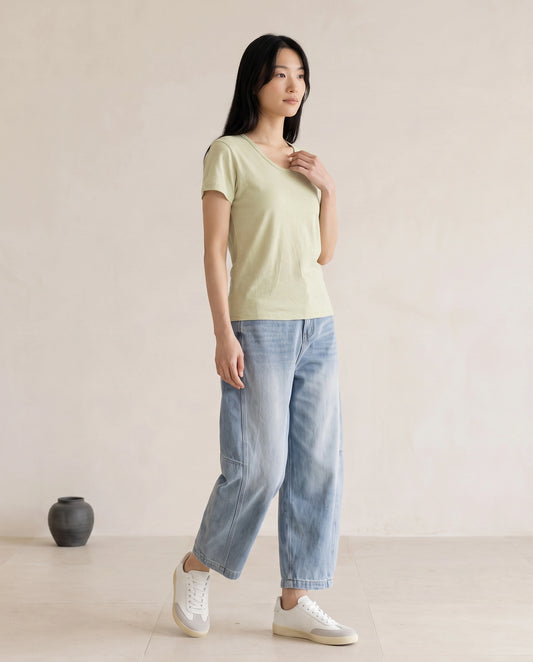

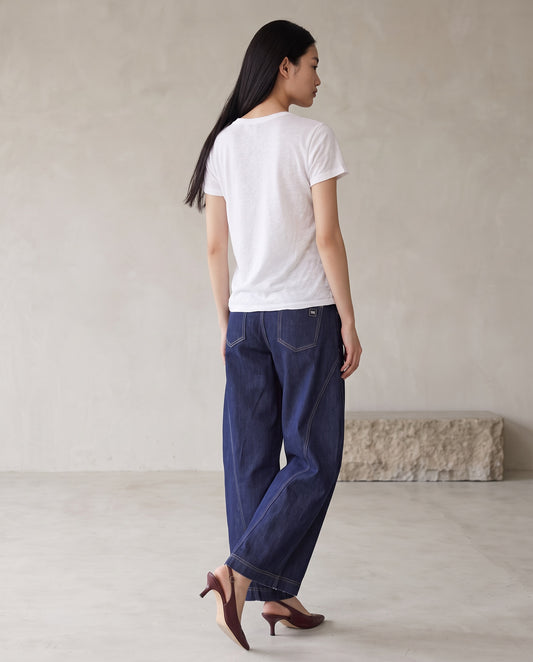

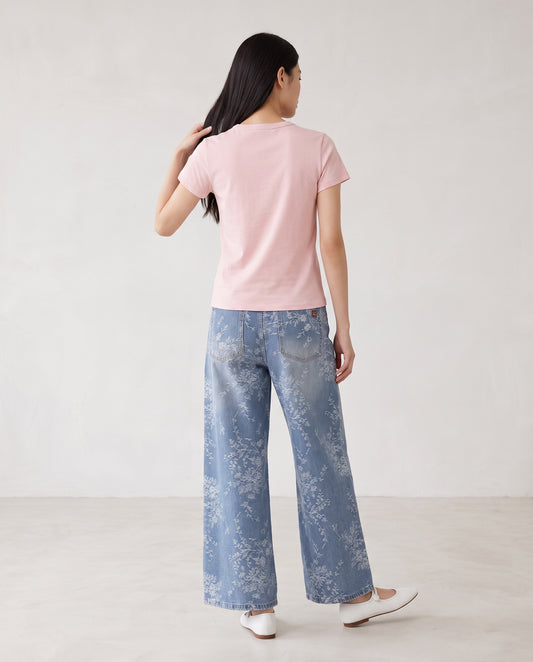

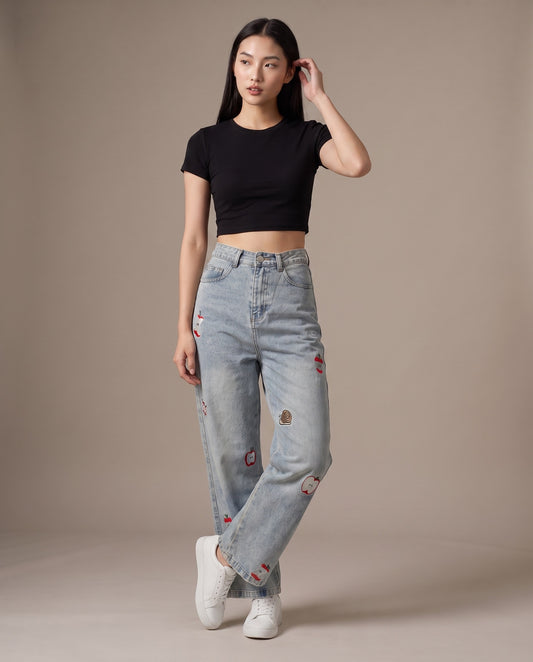

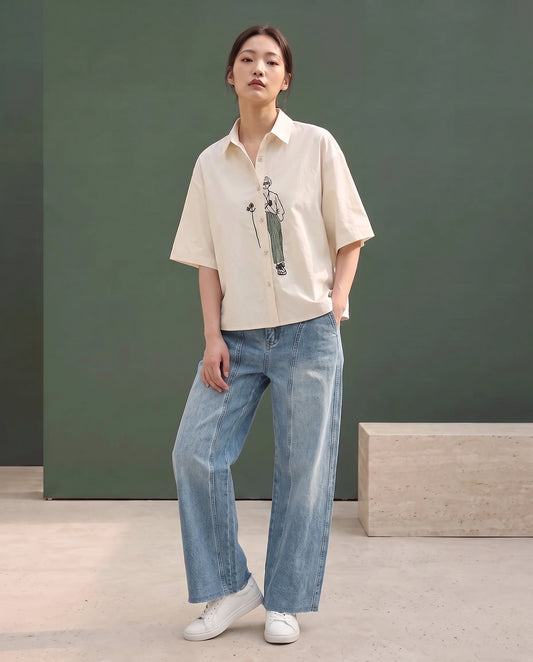

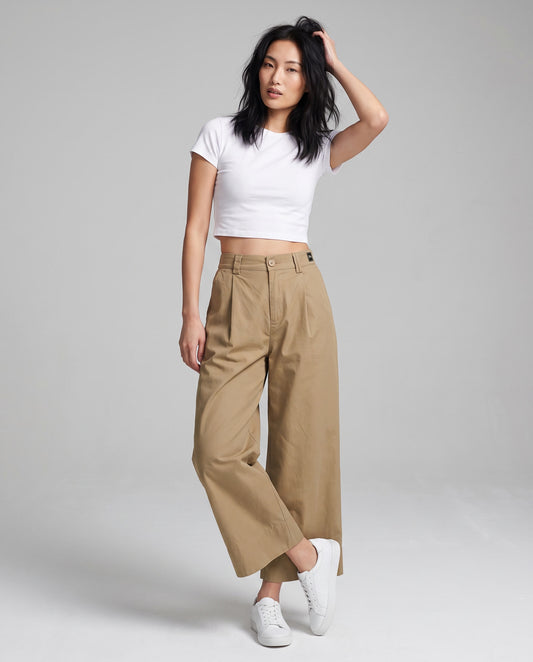

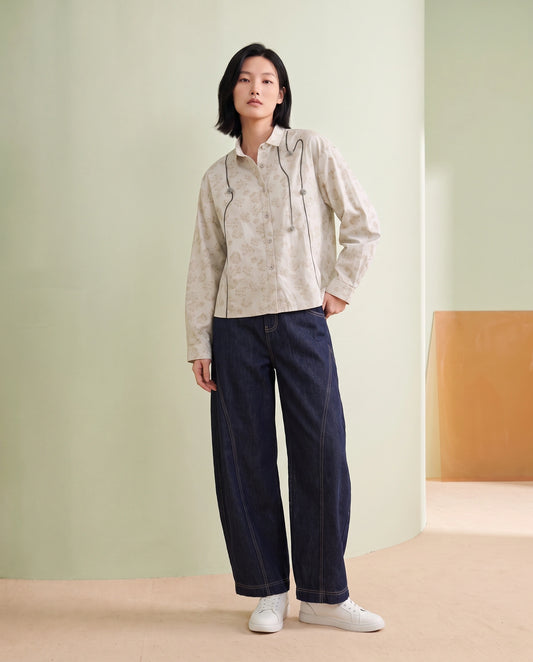
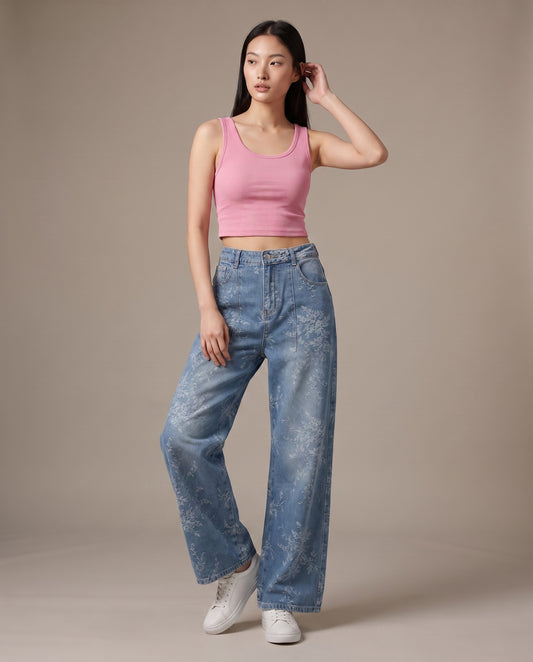







What Are Natural Fabrics? A Practical Guide for Everyday Clothing
Share
Natural fabrics are textiles made from fibres that originate in plants or animals. Cotton, linen, hemp, wool and silk are common examples, while blends combine different fibres to change the way a garment looks, feels or wears. The useful shopper question is not whether natural automatically means better. It is whether the fibre, weave, finish, weight and care requirements suit the garment and your routine.
Natural fibres and natural fabrics are not exactly the same
A fibre is the raw material. A fabric is the textile made from that fibre through processes such as spinning, weaving, knitting and finishing. Two garments can use the same named fibre and still feel different because their construction, weight and surface are different.
It is also common for a garment to use a blend. A cotton-linen or ramie-cotton blend is not the same as a single-fibre textile, and the percentage of each fibre matters. Read the composition on the product page or care label rather than relying on the product category, name or general marketing language.
Do natural fabrics always feel better?
No. Comfort is personal and depends on more than the source of the fibre. Skin sensitivity, climate, garment fit, weave, finishing, weight and care all affect how a piece feels during the day. Some people prefer a crisp surface, while others want softness or stretch. A natural fibre can also feel rough, heavy, warm or structured in one garment and completely different in another.
That is why “natural” should be treated as useful information, not a complete product review. Look at the full composition, construction, measurements and care instructions before deciding whether a garment suits you.
Common natural fibres in everyday clothing
Cotton
Cotton is widely used in everyday clothing and appears in many different weights and constructions. A lightweight cotton shirt, a firm cotton trouser and a brushed cotton layer can have very different uses. Check the garment details for the actual weave, weight and care guidance.
Linen
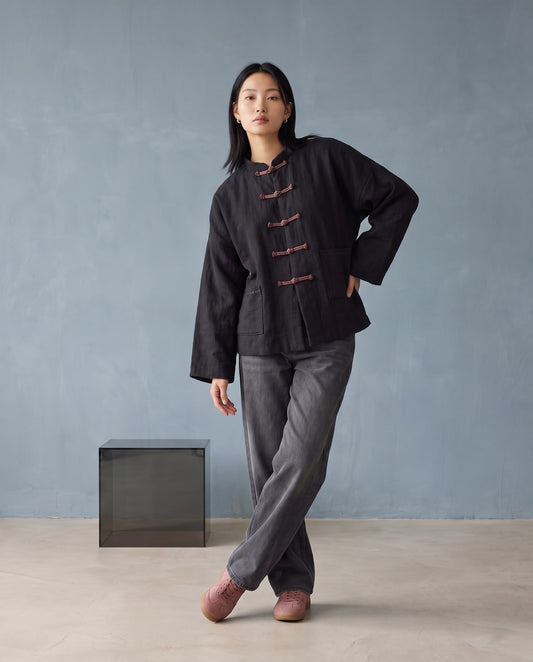
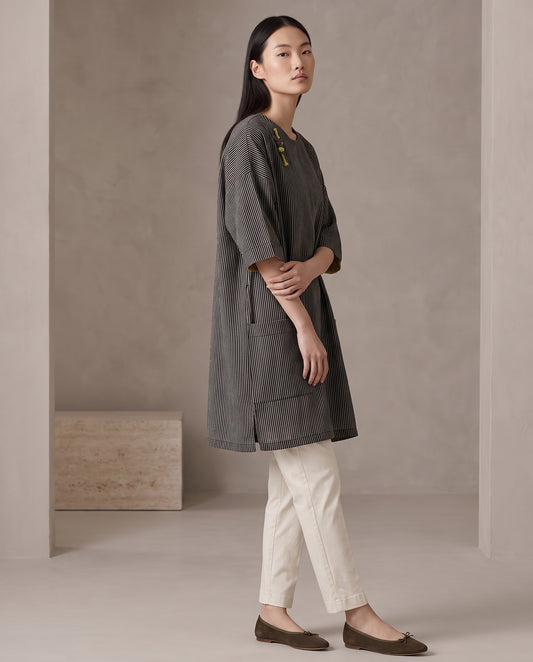
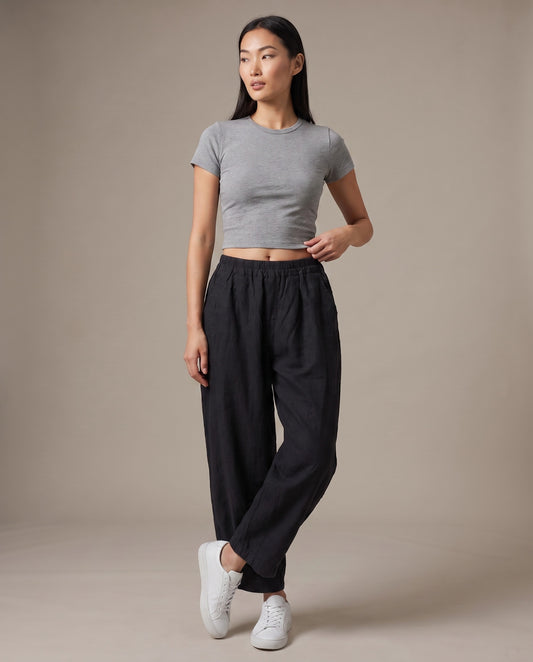
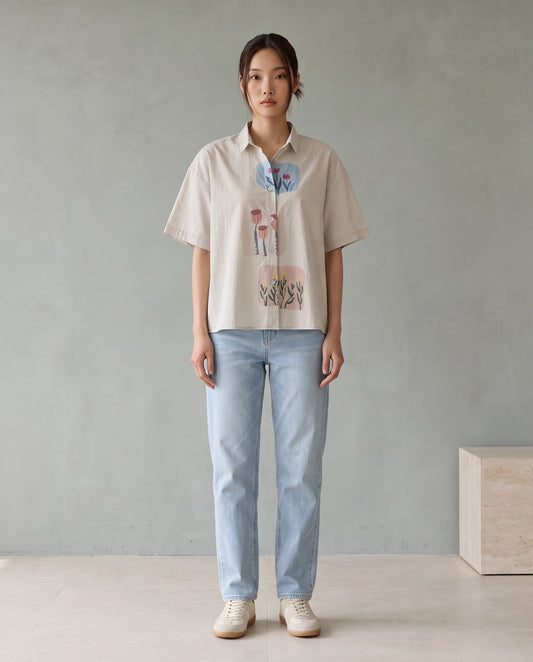
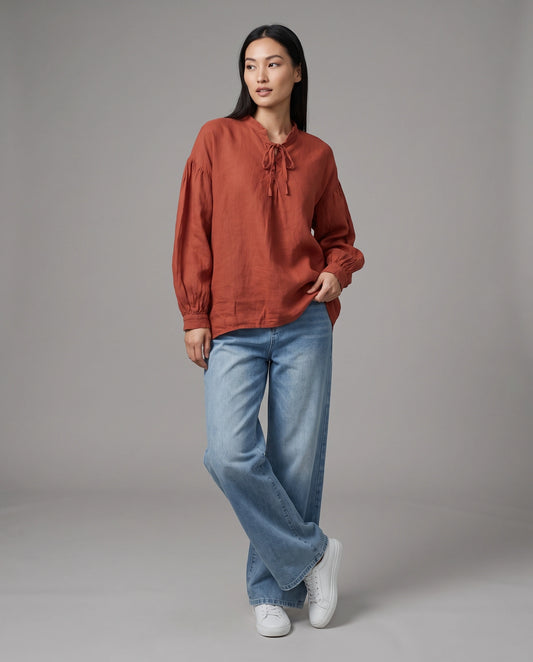
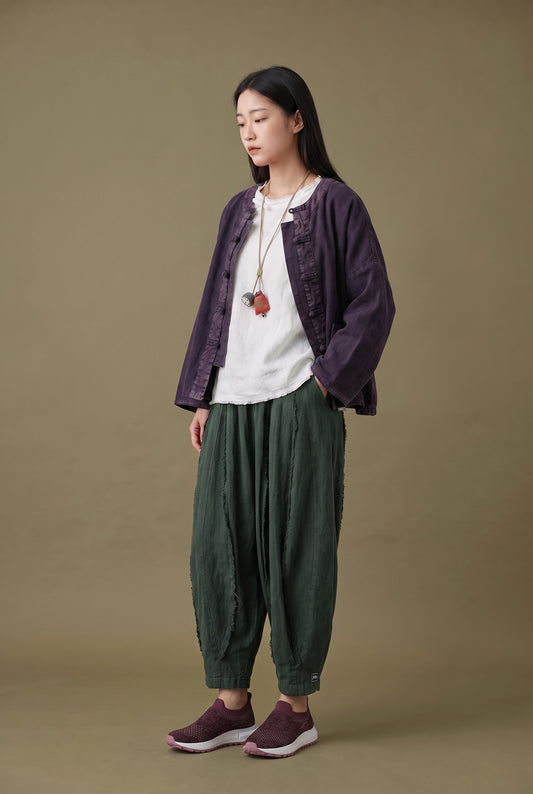
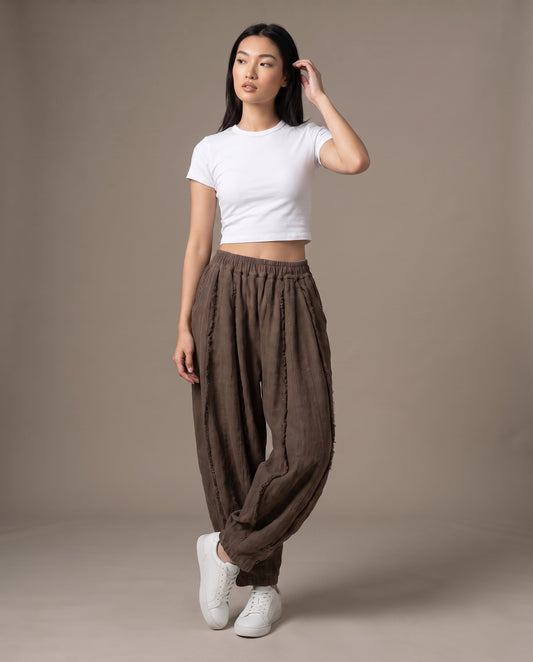
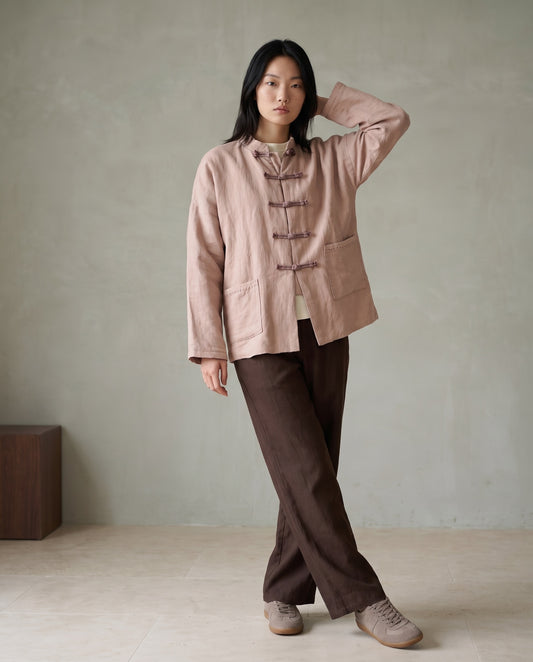
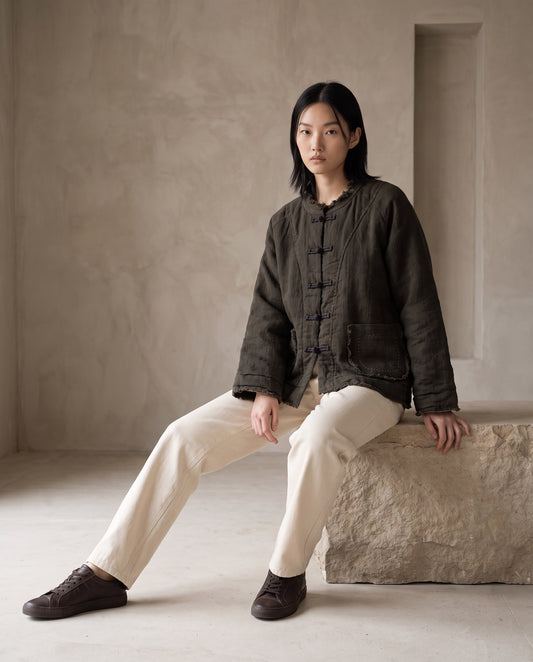
Linen is often chosen for its visible texture and relaxed character, but linen garments vary in weight, finish and structure. Some are crisp, some are more fluid, and some are designed as outer layers rather than warm-weather basics. Cheesecherry’s Earth Stripe Linen Top, Whispered Edge Linen Top–White and Quiet Stitch Linen Pants–Forest are current examples with linen in their product titles. Use each product page for the confirmed composition and care details.
Hemp and other plant fibres
Hemp and other plant-based fibres can appear in different blends and constructions. Their final feel depends on how they are processed and made into fabric. If a product uses one of these fibres, look for the percentage and the garment’s intended use rather than assuming it will have the same hand-feel as linen or cotton.
Wool and silk
Wool and silk come from animal sources and are used for very different kinds of garments. Wool can be made into light or substantial textiles, while silk can range from smooth and fluid to more textured finishes. Fibre origin alone does not tell you the weight, warmth, shine or drape of the finished piece.
How to choose a natural-fabric garment
Start with the climate and setting
Think about where and when you will wear the garment. A top for humid daytime dressing has a different job from a jacket for a cool evening. For a warmer climate, check whether the garment is loose or close to the body and whether its construction allows the movement you need. For cooler weather, look at the complete layer system instead of choosing by fibre name alone.
Check the fabric composition
Read the percentages instead of treating a fabric name as a guarantee. A label may show a single fibre, a blend or a fibre with a small percentage of another material. The composition also helps you compare similar-looking pieces and plan care.
Look at the garment’s shape
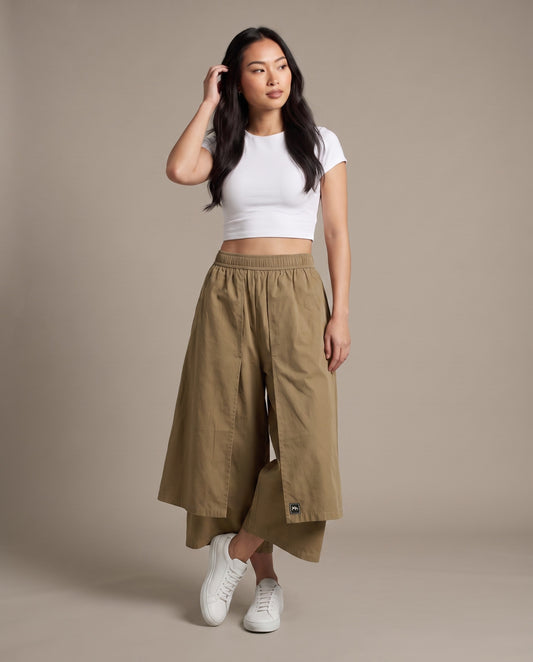
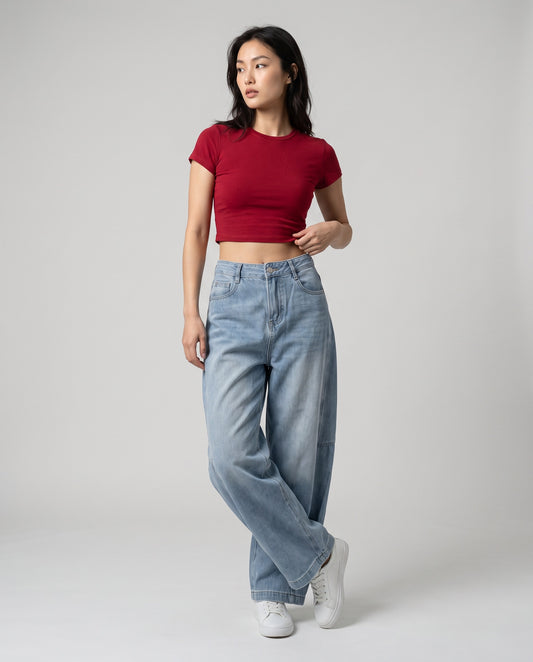
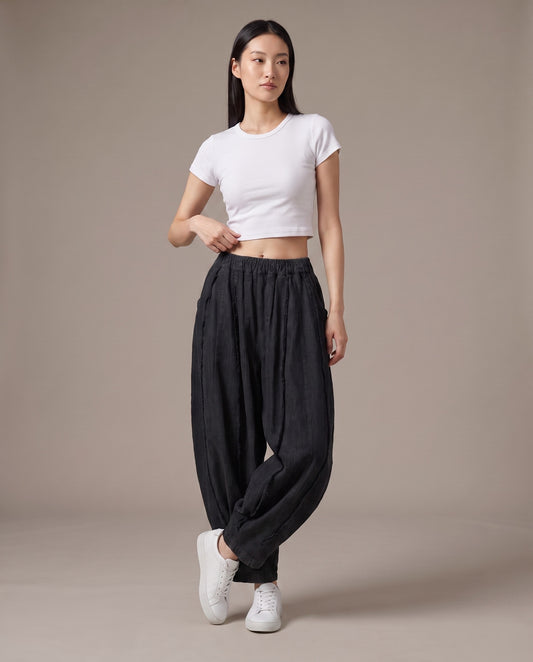
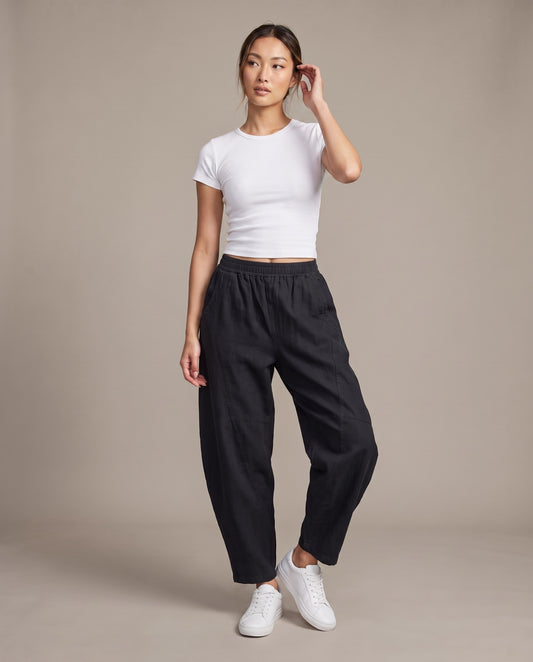
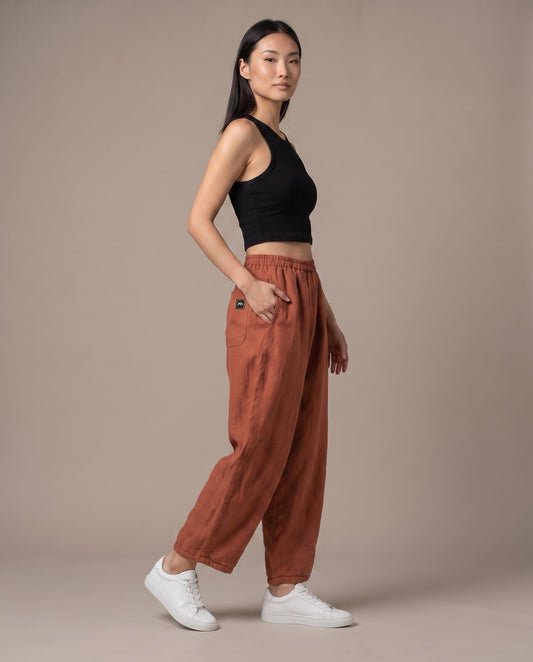
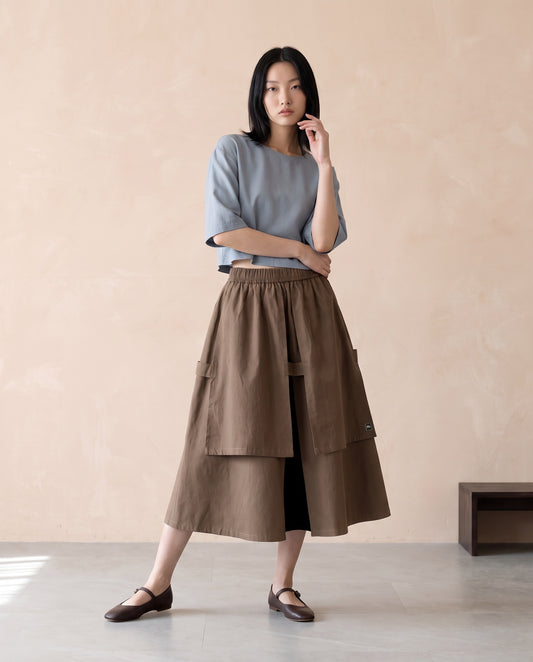
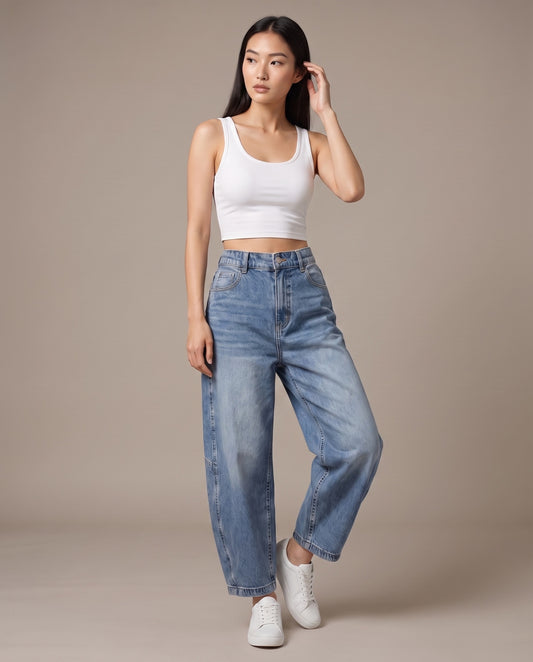
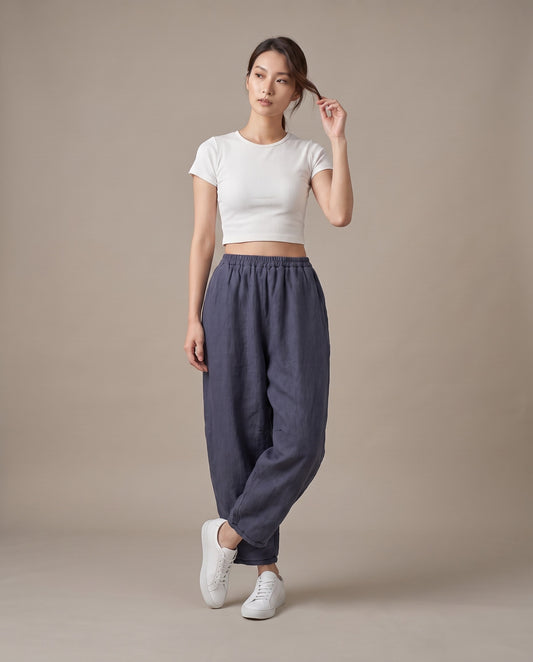
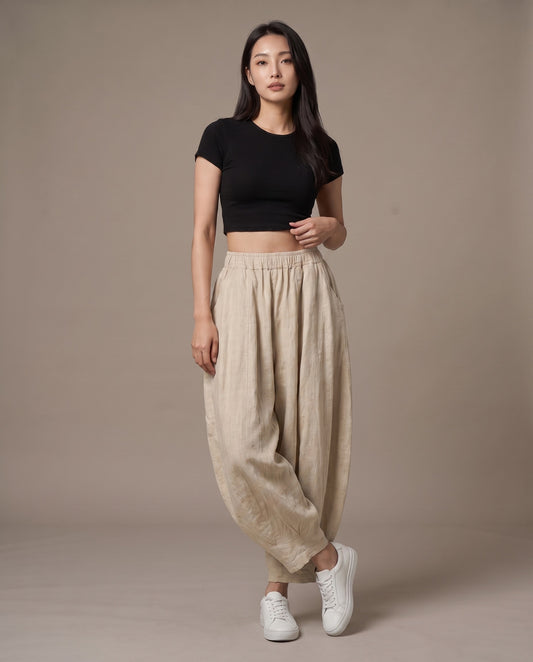
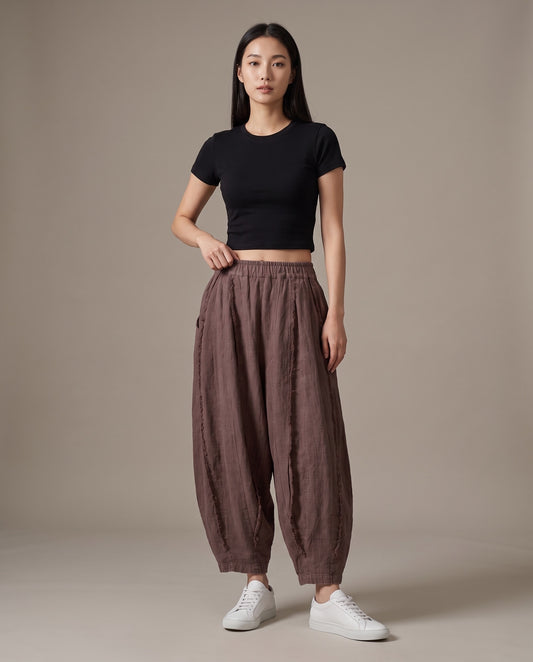
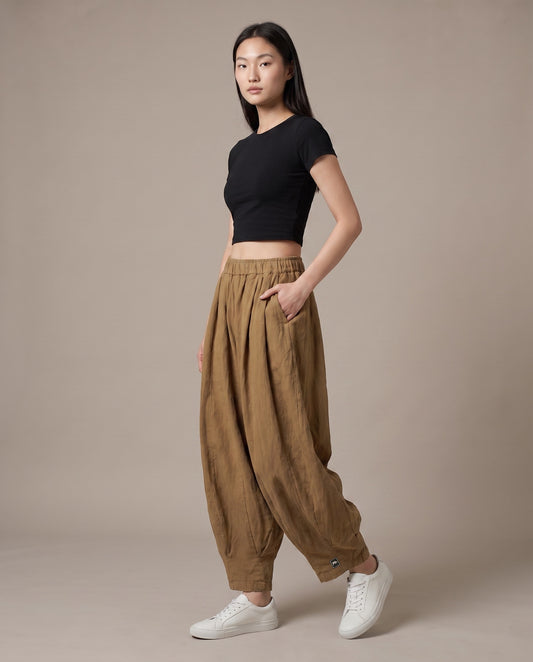
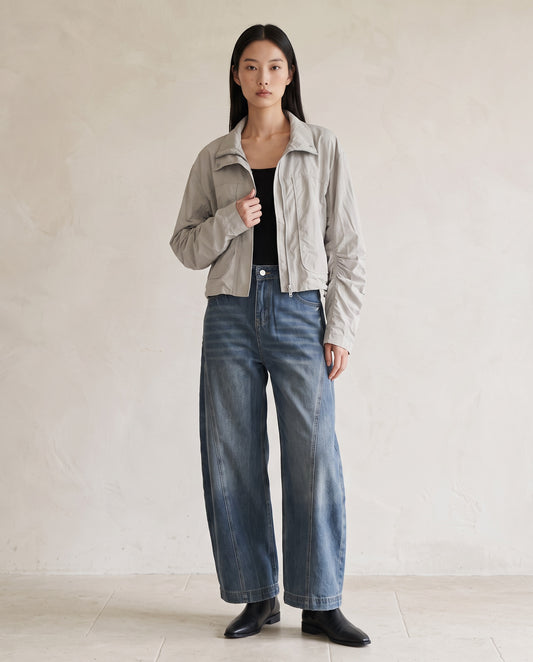
Comfort comes from proportion as well as fabric. A relaxed trouser, an oversized top and a layered jacket will feel different from closer shapes even when their fibre content is similar. The Drift Linen Balloon Pants are a good example of why silhouette matters. Their balloon shape should be styled with a top or layer that gives the upper half a clear line.
Read the care instructions
Care is part of the buying decision. Check whether the garment needs a particular wash, drying method, pressing routine or storage approach. If you do not want high-maintenance clothing, choose pieces whose care instructions fit your week rather than assuming a natural fibre will be effortless.
How natural-fabric pieces work in an everyday wardrobe
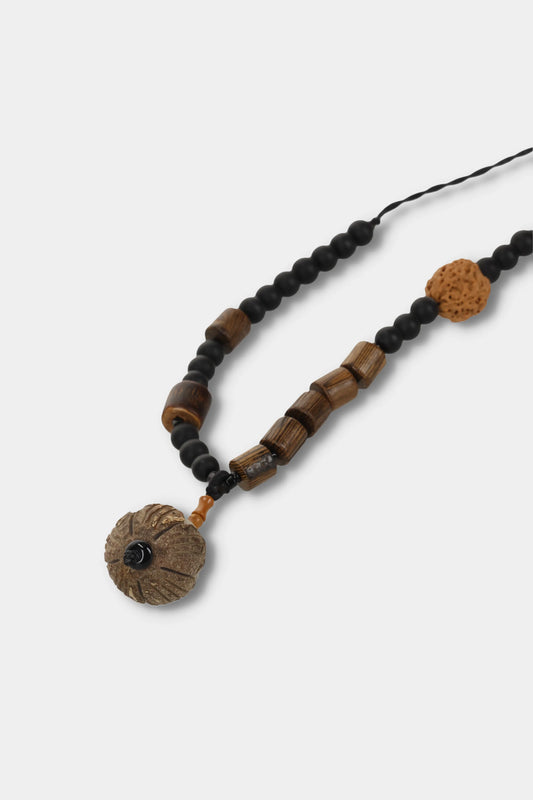
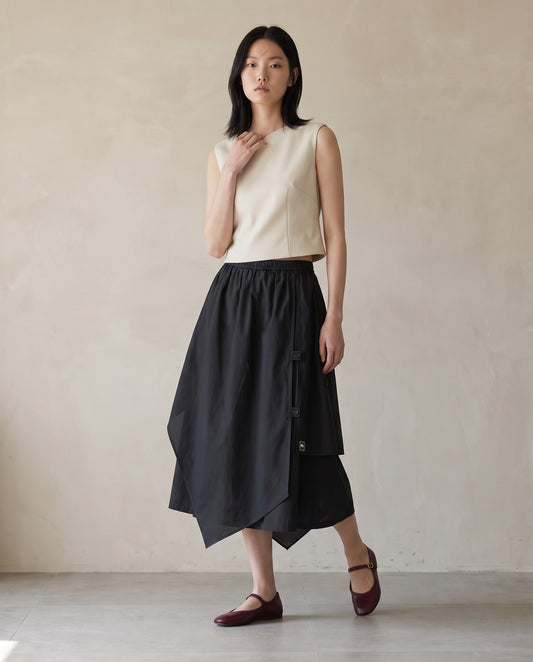
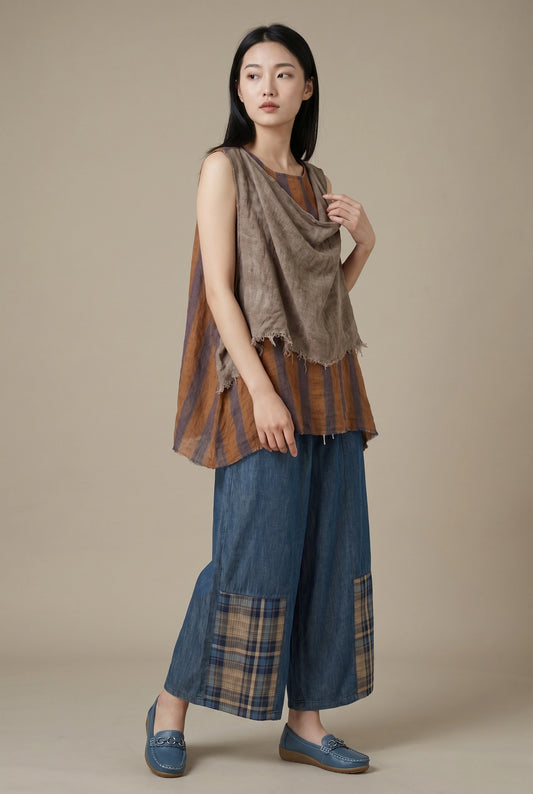
The easiest way to use fabric-led clothing is to balance texture with shape. If the top has a visible surface, choose a quieter bottom. If the trousers have volume, use a cleaner upper layer. If the outfit is tonal, add interest through a seam, print, drape or accessory rather than adding several more colours.
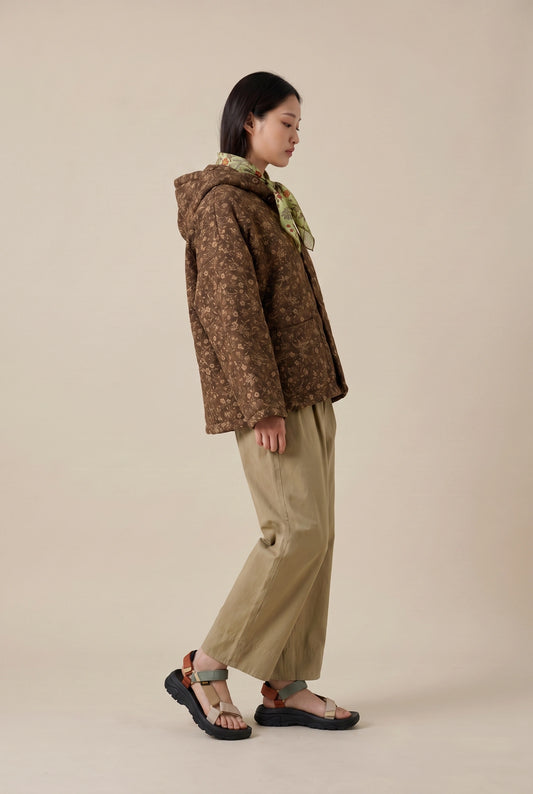
The Sand-Fried Linen Overshirt - Green can be considered as an outer layer over a simpler base. For more seasonal layers, browse Cheesecherry’s Outerwear collection. The goal is not to make every piece come from the same fibre. It is to combine the garments according to their weight, line and use.
Natural fabrics and sustainability claims
Natural does not automatically mean sustainable. The impact of a garment also depends on farming or sourcing, processing, dyeing, water and energy use, transport, durability, care and how long the piece remains in use. “Natural,” “small batch” and “slow fashion” should not be treated as interchangeable promises.
For a more responsible choice, ask practical questions: Is the composition clear? Will the garment suit your existing wardrobe? Can you care for it as instructed? Is the shape useful enough to wear repeatedly? A garment that sits unworn is not a better choice simply because its fibre has a natural origin.
What should you check before buying?
- Read the full fibre composition and look for blends.
- Check the garment’s measurements, fit notes and construction.
- Consider the climate and the situations in which you will wear it.
- Read washing, drying, pressing and storage instructions.
- Decide whether the piece works with clothes you already own.
- Separate confirmed product information from general assumptions about a fibre.
Choose by the whole garment, not one label
Natural fibres can be a useful starting point when you are choosing clothing, but they are not a shortcut to comfort, quality or sustainability. Look at the fibre, the fabric, the construction, the fit and the care together. That approach gives you a more accurate idea of how a garment may work in your wardrobe.
To explore current fabric-led pieces, start with Cheesecherry’s Shop All collection. For practical outfit ideas using linen pieces, continue with the guide to wearing linen across the year.

Comments
No comments yet - be the first to comment!