


SS’26 NOW LIVE
10% OFF YOUR FIRST ORDER · FIRST10
FREE SHIPPING ACROSS INDIA
SS’26 NOW LIVE
10% OFF YOUR FIRST ORDER · FIRST10
FREE SHIPPING ACROSS INDIA
SS’26 NOW LIVE
10% OFF YOUR FIRST ORDER · FIRST10
FREE SHIPPING ACROSS INDIA
SS’26 NOW LIVE
10% OFF YOUR FIRST ORDER · FIRST10
FREE SHIPPING ACROSS INDIA
SS’26 NOW LIVE
10% OFF YOUR FIRST ORDER · FIRST10
FREE SHIPPING ACROSS INDIA
SS’26 NOW LIVE
10% OFF YOUR FIRST ORDER · FIRST10
FREE SHIPPING ACROSS INDIA
SS’26 NOW LIVE
10% OFF YOUR FIRST ORDER · FIRST10
FREE SHIPPING ACROSS INDIA
SS’26 NOW LIVE
10% OFF YOUR FIRST ORDER · FIRST10
FREE SHIPPING ACROSS INDIA
SS’26 NOW LIVE
10% OFF YOUR FIRST ORDER · FIRST10
FREE SHIPPING ACROSS INDIA
















































Linen vs Cotton for Indian Heat and Humidity: Which Should You Choose?
Share
For hot and humid Indian weather, linen and cotton can both be good choices, but they solve different comfort problems. Linen is often the better option when airflow and quick drying matter most. Cotton can feel softer and more familiar against the skin, but the right choice depends on its weight, weave, fit and how much moisture you expect to deal with.
There is no universal winner. A loose cotton shirt can feel better than a heavy linen one, while a lightweight linen trouser can be more comfortable than a dense cotton pair. The fibre matters, but the whole garment matters more.
Linen vs cotton: the quick answer
| Consideration | Linen | Cotton |
|---|---|---|
| Best known for | Airy texture, airflow and a dry, crisp feel | Softness, familiarity and a wide range of weights and finishes |
| Humidity | Often feels easier when the garment is light and loose | Can absorb moisture comfortably, but heavier cotton may feel damp for longer |
| Visual character | Natural texture and an easy, lived-in surface | Can look smooth, crisp, brushed, structured or casual depending on the cloth |
| Choose it when | You prioritise airflow and a relaxed summer layer | You want softness, easy everyday basics or a specific level of structure |
Why does linen work well in Indian heat?
Linen is valued for its light, airy character and the way it allows air to move through a garment. It also tends to dry relatively quickly, which can make it feel useful in humid conditions where heavy, damp clothing becomes uncomfortable.
Linen has a visible texture and it can crease. Those qualities are part of its look, not necessarily signs that the garment is badly made. If you prefer clothes that feel relaxed and natural rather than perfectly pressed, linen’s surface can work in its favour.
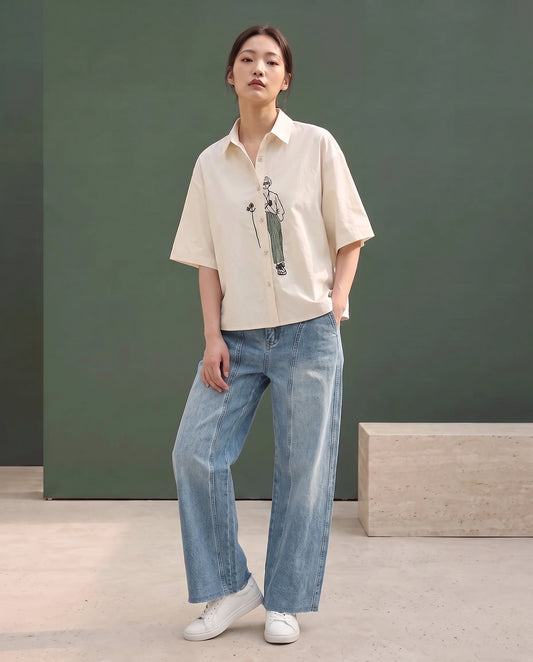
Fit still matters. A loose linen shirt or trouser gives the fabric room to move. A very close garment can feel warm even when the fibre itself is breathable. Look for a comfortable shape, open neckline, short sleeve or wide leg when that suits your wardrobe.
Why choose cotton in hot and humid weather?
Cotton can be soft, versatile and easy to wear every day. It comes in many weights and weaves, so a light cotton garment can feel very different from a dense cotton trouser or structured jacket.
Cotton absorbs moisture, which some people find comfortable at first. In high humidity, however, a heavier or less breathable cotton garment may hold on to that moisture and take longer to dry. The answer is not to reject cotton. It is to pay attention to weight, looseness, construction and how long you will be wearing it.
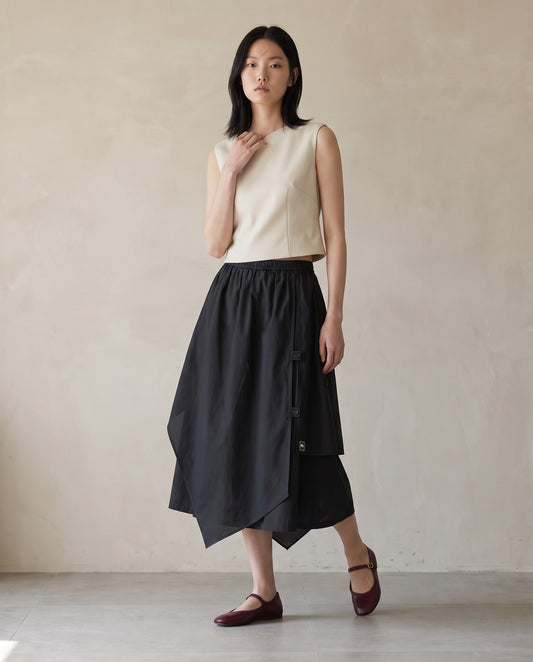
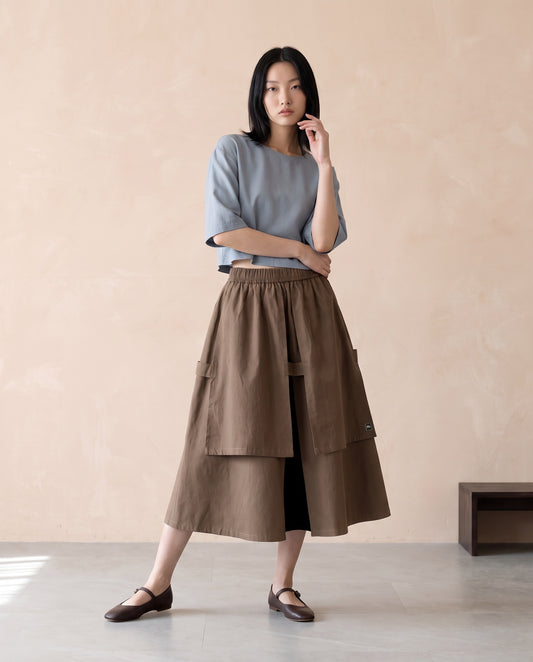
Cheesecherry’s Layered Earth Cotton Midi Skirt shows one current cotton option where the fabric and skirt shape are explicit in the live product name. It can be approached as a bottom layer with a simple top and comfortable footwear, rather than assuming every cotton piece will behave in the same way.
Which fabric feels better against the skin?
That depends on personal preference and the finish of the garment. Cotton is often chosen for its soft, familiar hand feel. Linen can feel crisp at first and soften with wear, but it keeps more visible texture.
If you are sensitive to cling, the garment’s cut may matter as much as the fibre. A relaxed shirt, easy trouser or loose skirt creates more air around the body. If you prefer a smoother feel, look for a cotton garment with a light, soft finish or a linen piece that has been made for a relaxed drape.
Linen vs cotton for a daily commute
For a commute that includes outdoor heat, walking and changing indoor temperatures, choose a layer you can move in and remove easily. Linen shirts and overshirts are useful when you want a light outer layer that does not look like activewear.
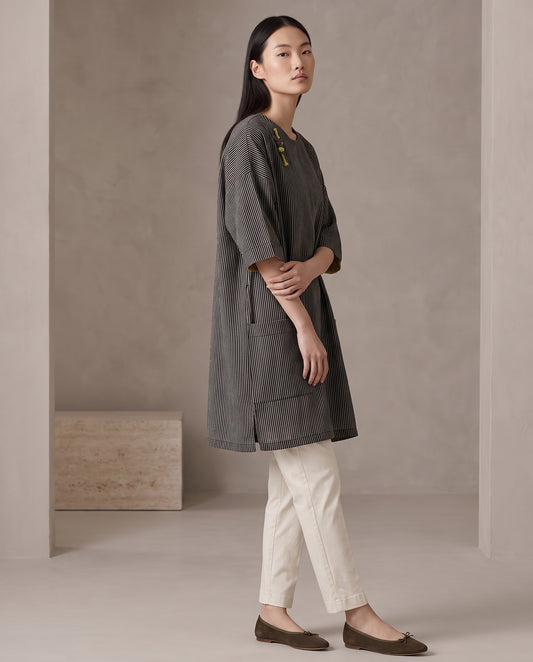
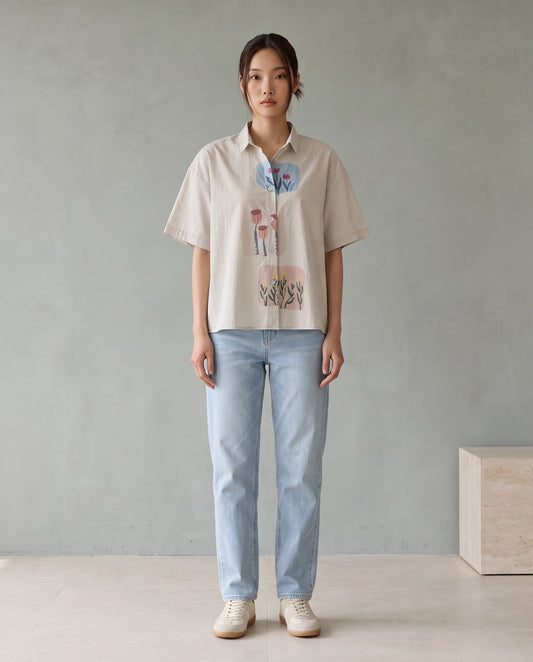
The Sand-Fried Linen Overshirt - Blue is a current Cheesecherry example of a linen overshirt. Wear it over a simple base and leave it open when you want airflow, or use it as the main shirt layer with a relaxed trouser.
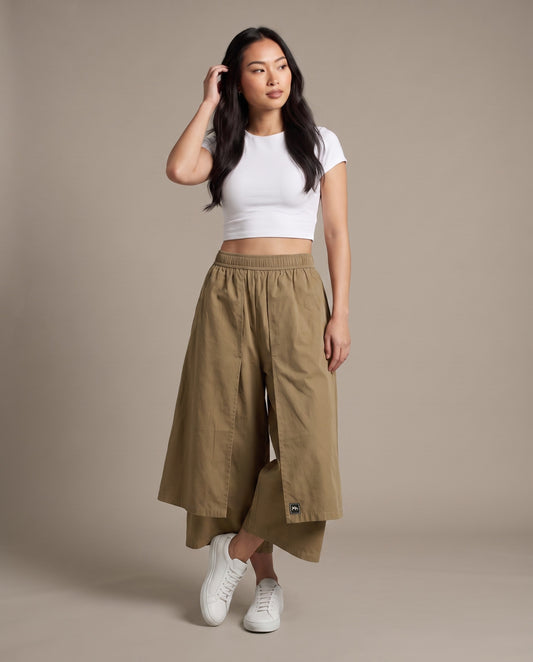
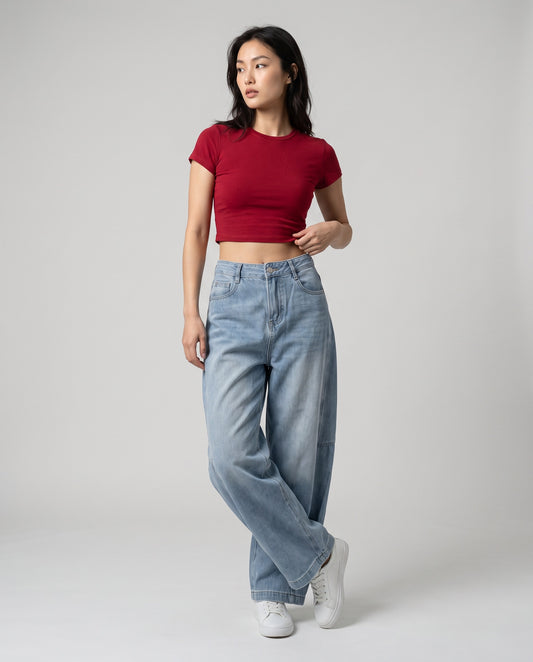
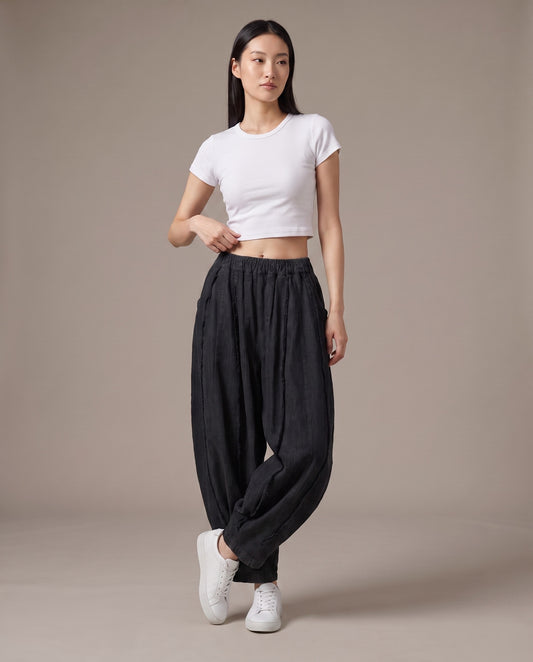
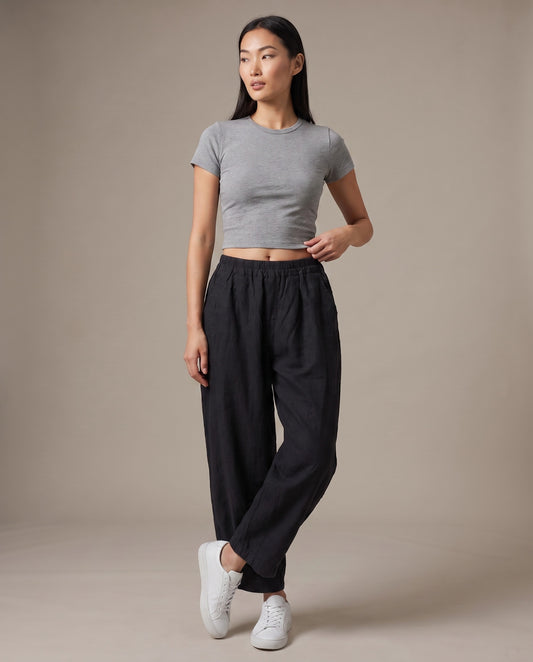
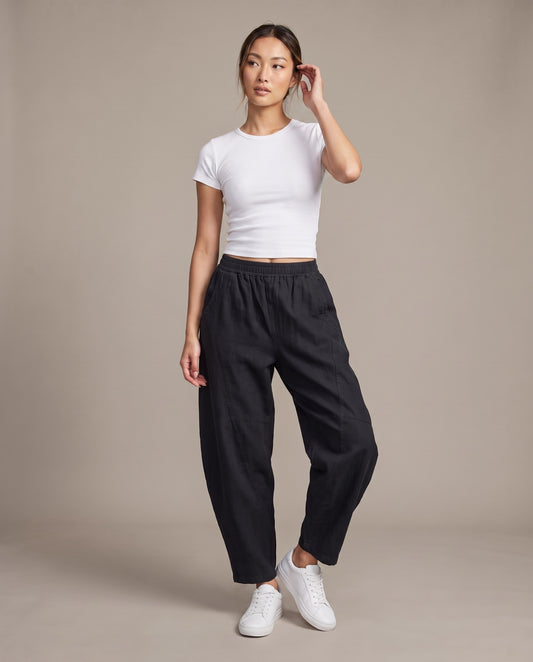
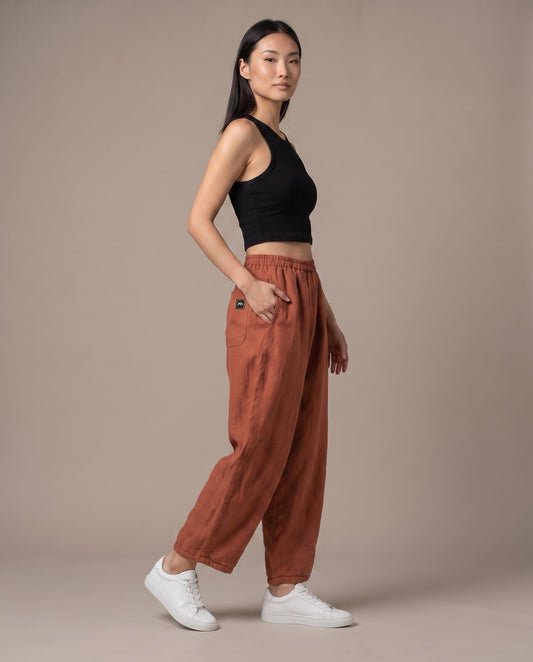
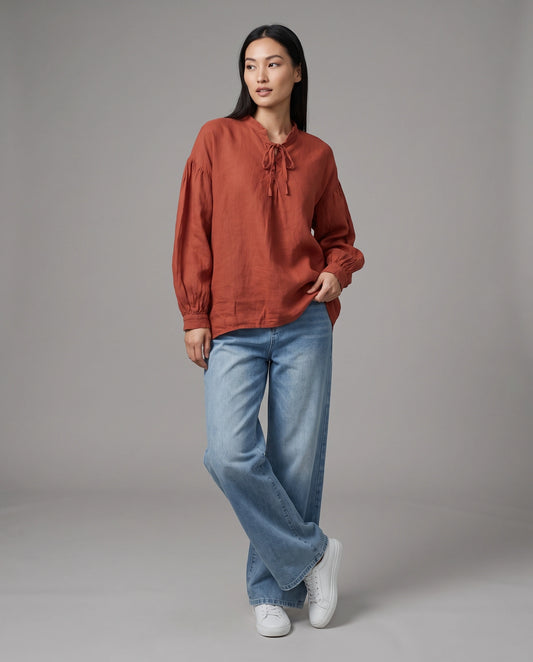
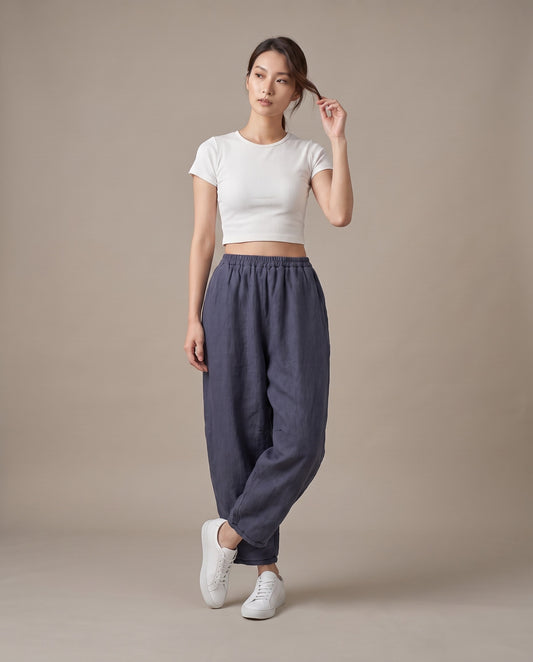
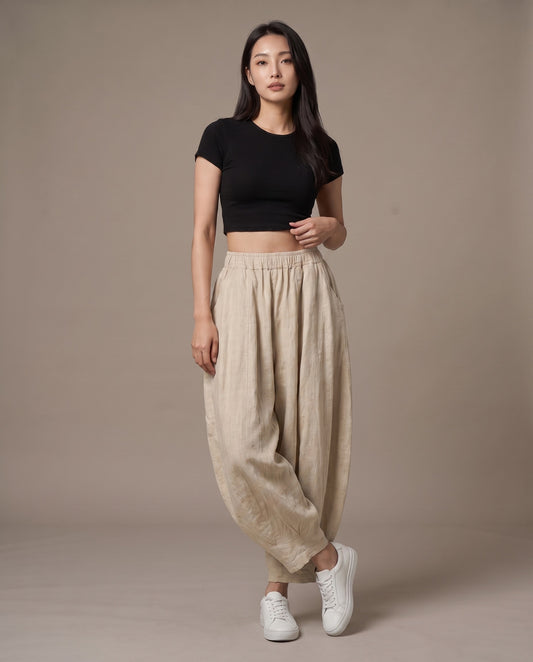
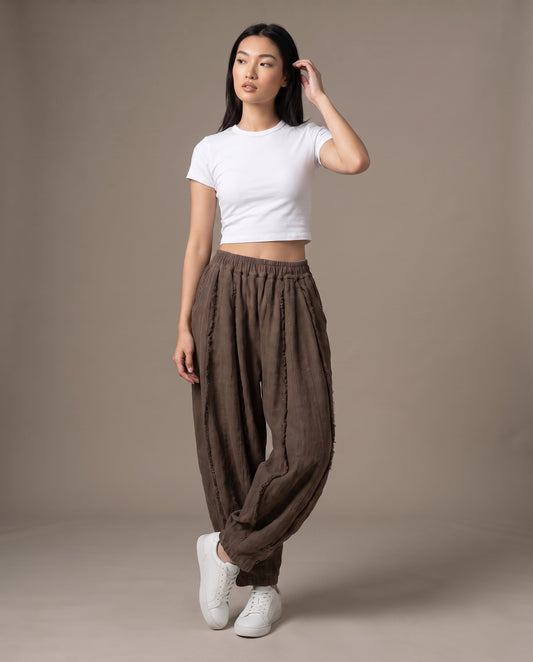
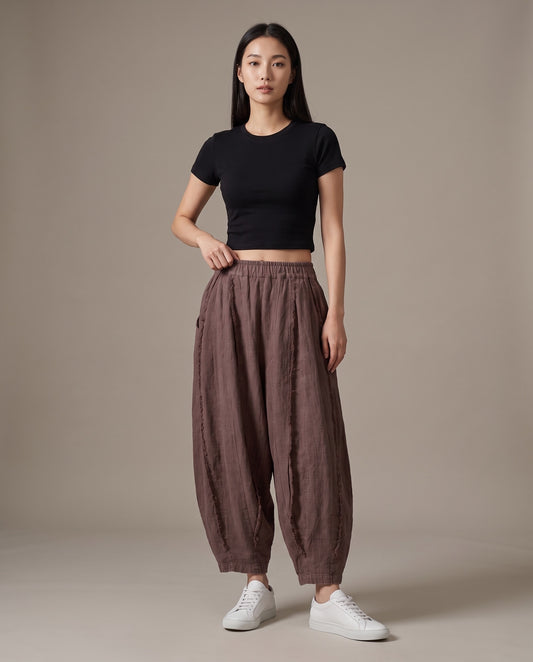
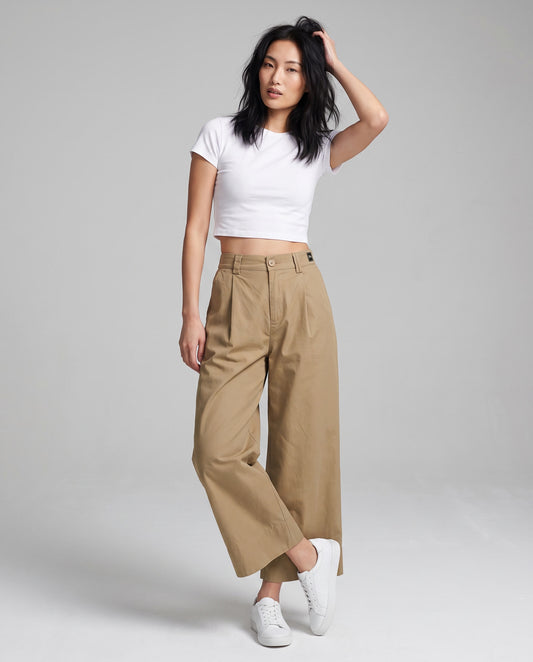
For bottoms, a wide or easy shape can be more comfortable than a close cut in humid weather. Cheesecherry’s Black Linen Wide-Leg Pants are a useful example of a linen trouser with a relaxed silhouette. The wider shape is not a guarantee of comfort, but it gives the outfit more room to move than a close-fitting alternative.
When is cotton the better choice?
Choose cotton when softness is your first priority, when you want a smoother surface or when the garment’s structure suits the day better. Cotton can be useful for everyday tops, skirts and trousers when the cloth is light enough for the climate.
A cotton garment may also work better when you want less visible texture or a more controlled appearance. The important check is the whole item: fibre, weight, weave, fit and how much movement the day requires.
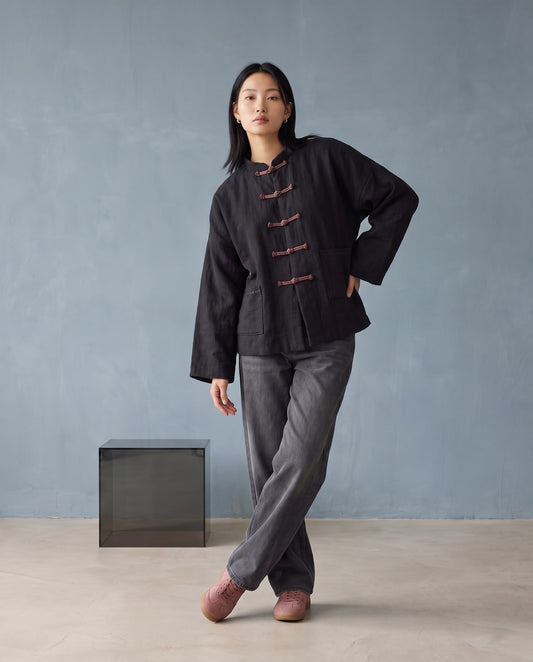
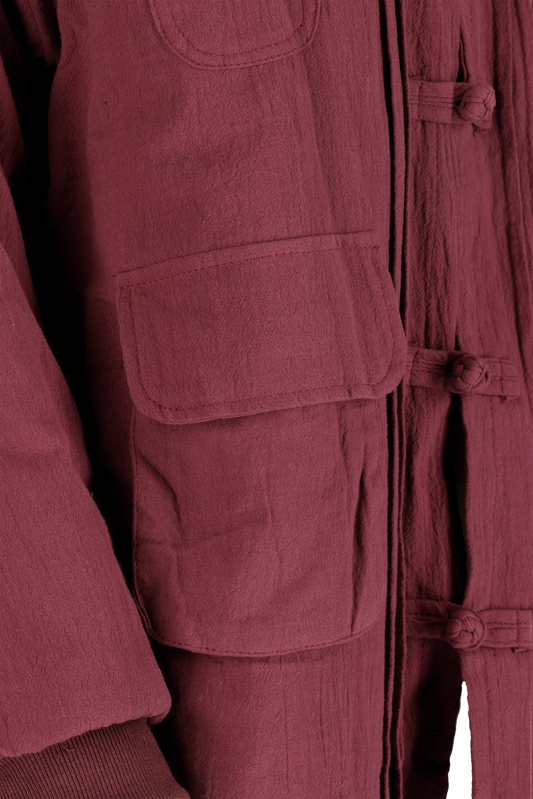
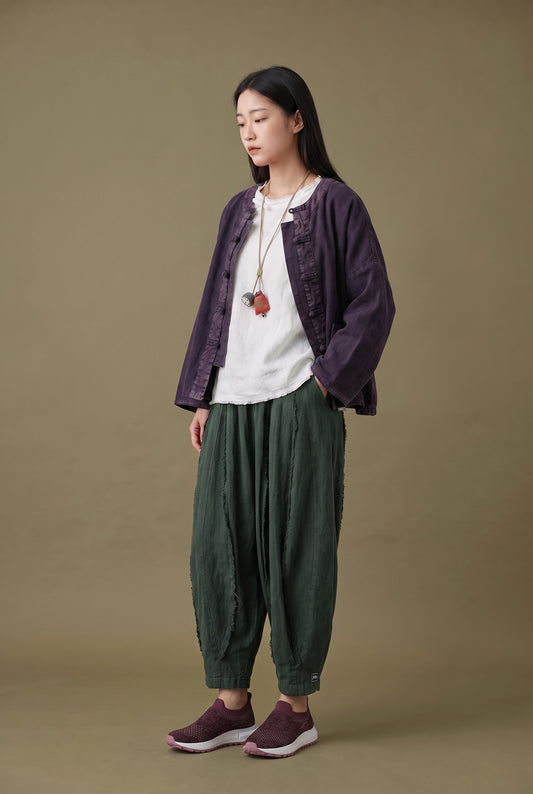
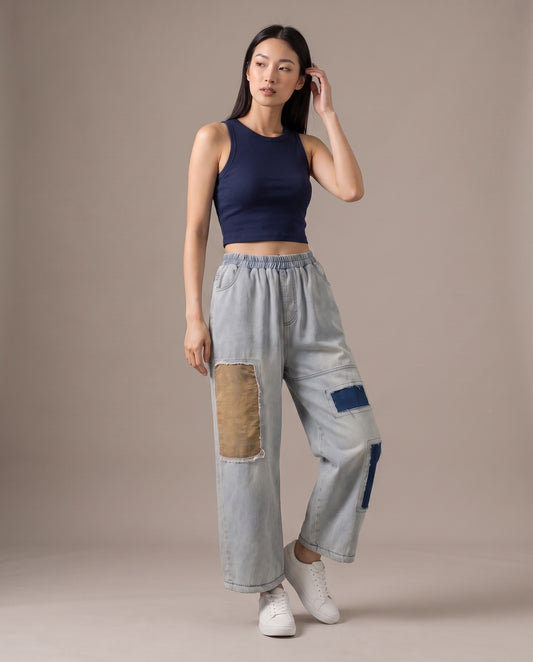
Cheesecherry also carries pieces where the material is a blend rather than a simple linen-versus-cotton choice. The Patchwork Cotton-Linen Jacket is one example named in the live catalog. A blend can bring together qualities from both fibres, but the exact feel still depends on the fabric construction and garment design.
What should you choose for different types of clothing?
Shirts and overshirts
Linen is a strong choice when you want an airy shirt or an open overshirt with visible texture. Cotton works well when you want a softer base or a smoother, more structured look. In both cases, a relaxed fit helps in hot weather.
Trousers
For trousers, focus on the amount of fabric and the cut as well as the fibre. Linen trousers can feel light and breathable, while cotton trousers can provide more structure. In humidity, a loose leg and comfortable waistband may matter more than choosing one fibre automatically.
Skirts
Cotton skirts can offer softness and structure, while linen skirts bring a more textured, airy character. Look at the length, layering and waistband. A lined or layered garment may feel different from a single light layer, even when both use the same fibre.
Does linen wrinkle more than cotton?
Linen generally shows creasing more readily, especially when it is light and relaxed. Cotton can also wrinkle, but the amount varies widely by weave, finish and garment design. Neither fabric should be judged by fibre alone.
If you want a crisp, pressed look throughout the day, check the product care guidance and choose a construction that supports that finish. If you are comfortable with a softer, lived-in surface, linen’s creasing can become part of the outfit’s character.
How to dress for humidity without feeling sticky
Start with a garment that leaves some space between the fabric and the body. Choose lighter layers, avoid unnecessary lining when the product is not designed for it, and use an open shirt or overshirt when you need an extra layer without closing in the neckline.
Keep the outfit simple enough to adjust during the day. A linen overshirt can be removed or worn open. A cotton skirt can be paired with a light top rather than another dense layer. A wide-leg trouser can make movement easier than several close-fitting pieces.
Always check the care instructions on the individual product. Fabric names tell you the fibre, not every detail of how a particular garment should be washed, dried or stored.
Where to browse linen and cotton clothing at Cheesecherry
Cheesecherry’s Tops collection and Shirts collection are useful places to compare lightweight layers. The Pants & Trousers collection brings together relaxed bottoms, while the Soft Form collection includes many of the store’s linen-named everyday pieces.
For a broader introduction to fibre choices, read What Are Natural Fabrics and Why They Feel Better for Everyday Clothing. This guide is the more practical comparison for deciding what to wear when the air is hot, the humidity is high and comfort needs to last through the day.
So, which should you choose?
Choose linen when you want airflow, a lighter feel and a naturally textured look. Choose cotton when you prioritise softness, a smoother surface or a particular level of structure. Choose a blend when the garment’s construction offers the balance you want.
Then check the fit. In Indian heat and humidity, a light, easy garment in the “second choice” fibre can feel better than a heavy or close-fitting garment in the “right” one. The best decision is the fabric and shape that let you move comfortably through the day.

Comments
No comments yet - be the first to comment!