


SS’26 NOW LIVE
10% OFF YOUR FIRST ORDER · FIRST10
FREE SHIPPING ACROSS INDIA
SS’26 NOW LIVE
10% OFF YOUR FIRST ORDER · FIRST10
FREE SHIPPING ACROSS INDIA
SS’26 NOW LIVE
10% OFF YOUR FIRST ORDER · FIRST10
FREE SHIPPING ACROSS INDIA
SS’26 NOW LIVE
10% OFF YOUR FIRST ORDER · FIRST10
FREE SHIPPING ACROSS INDIA
SS’26 NOW LIVE
10% OFF YOUR FIRST ORDER · FIRST10
FREE SHIPPING ACROSS INDIA
SS’26 NOW LIVE
10% OFF YOUR FIRST ORDER · FIRST10
FREE SHIPPING ACROSS INDIA
SS’26 NOW LIVE
10% OFF YOUR FIRST ORDER · FIRST10
FREE SHIPPING ACROSS INDIA
SS’26 NOW LIVE
10% OFF YOUR FIRST ORDER · FIRST10
FREE SHIPPING ACROSS INDIA
SS’26 NOW LIVE
10% OFF YOUR FIRST ORDER · FIRST10
FREE SHIPPING ACROSS INDIA































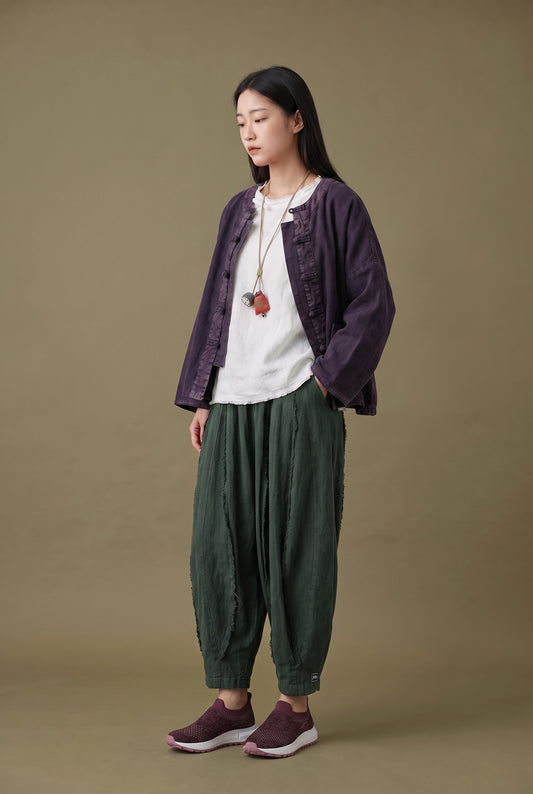
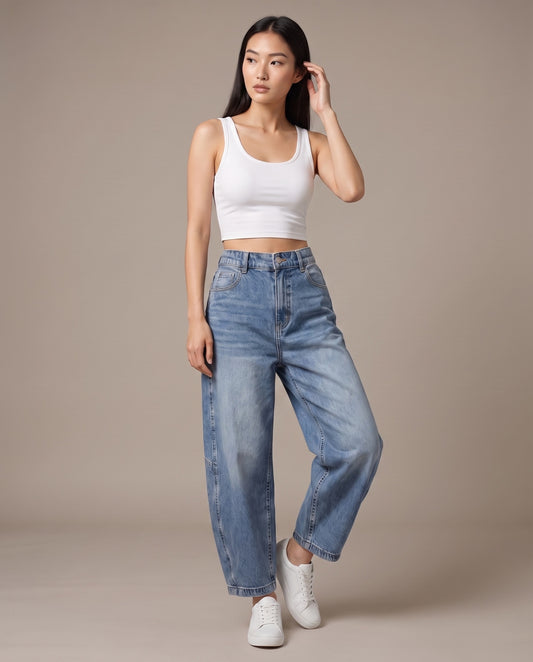

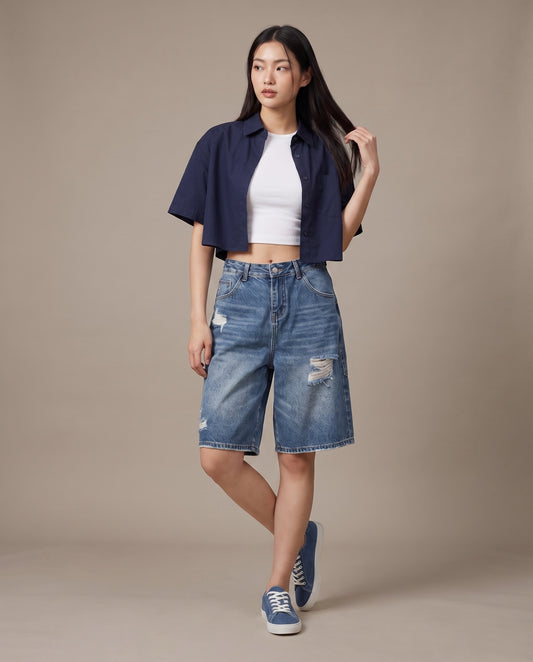

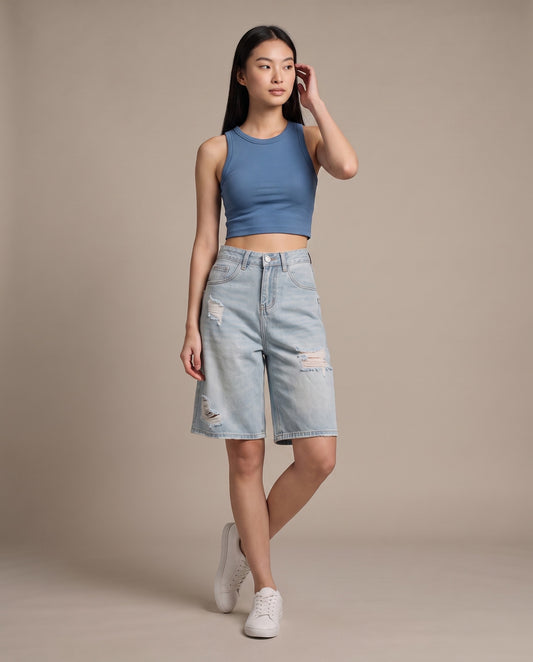










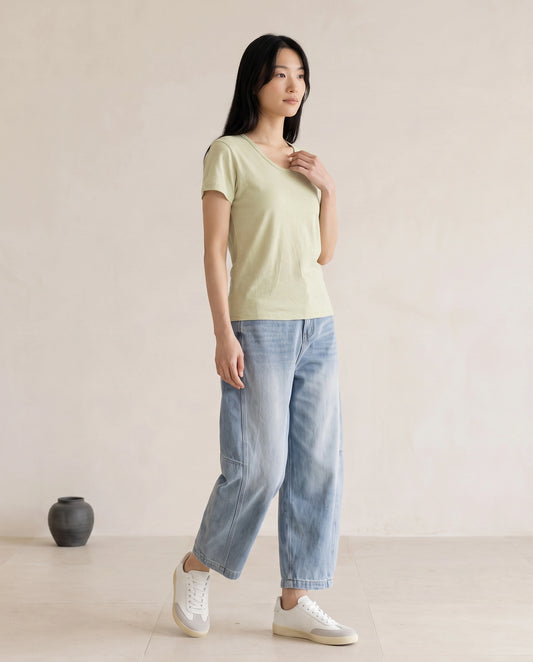

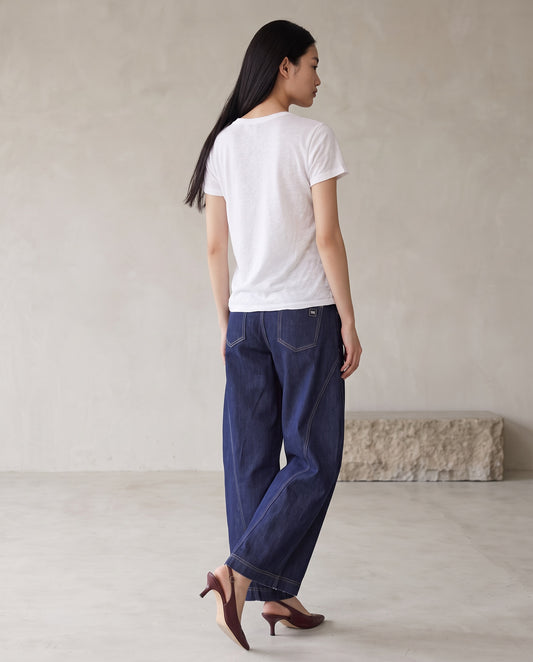

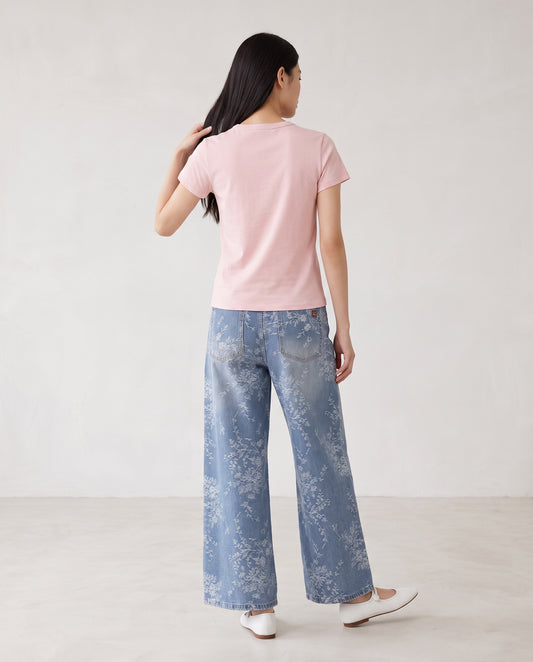

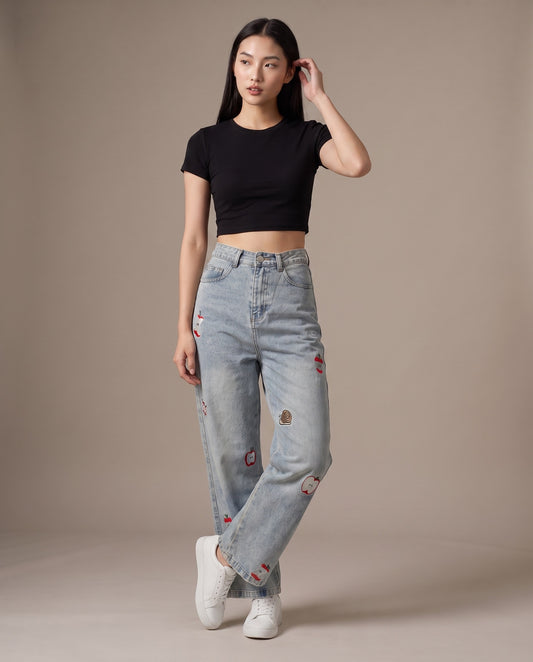


How to Style a Printed Shirt Without Overdoing It
Share
A printed shirt does not need a plain outfit around it at all costs. It needs a clear role. Let the print lead, then use colour, proportion and texture to decide what supports it. A solid trouser, a simple skirt, a relaxed jacket or one repeated colour can keep the outfit expressive without making it feel crowded.
The most useful question is what you want people to notice first. If the print is the focal point, keep the silhouette easy. If the shirt has a softer print, you can give more attention to the shape, shoe or outer layer. Styling is about hierarchy, not removing personality.
What makes a printed shirt difficult to style?
Print, colour and proportion all attract attention. A printed shirt may also have a boxy cut, an asymmetric hem, a stripe, embroidery, jacquard texture or a strong collar. Adding a large pattern below it and several statement accessories can make the outfit lose its visual order.
Start by separating the decisions. First choose the main colour story. Then decide whether the shirt should be tucked, worn open or left loose. Finally choose the shoe and accessories. This keeps one decision from forcing every other part of the outfit.
Start with the scale of the print
Large motifs need more space around them. A shirt with a broad botanical or graphic design often works best with a quiet bottom and a simple shoe. Small dots, fine stripes or restrained line work can sit with more texture or a stronger trouser shape.
Scale does not mean the print has to be loud. A small pattern can still feel visually busy if it covers the whole shirt. Look at the density of the design as well as the size of each motif, then decide how much detail the lower half can carry.
Choose the bottom before adding accessories
A printed shirt usually becomes easier to wear when the bottom gives it a stable base. Solid trousers, a simple skirt or denim can all work. The right choice depends on the colour and proportion of the shirt.
Solid trousers
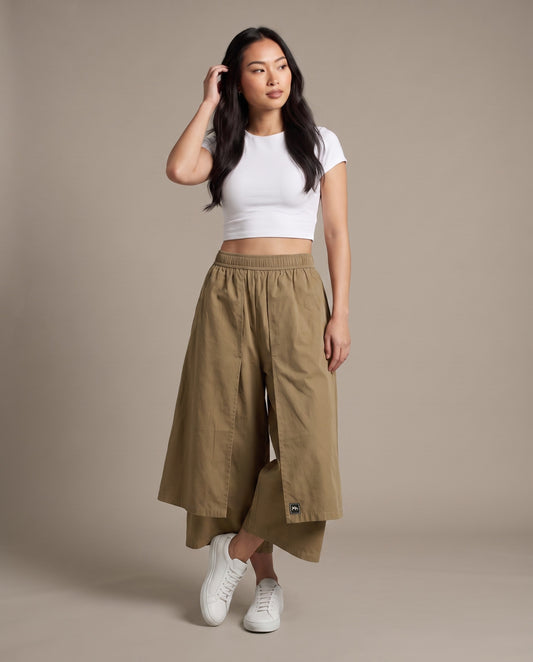
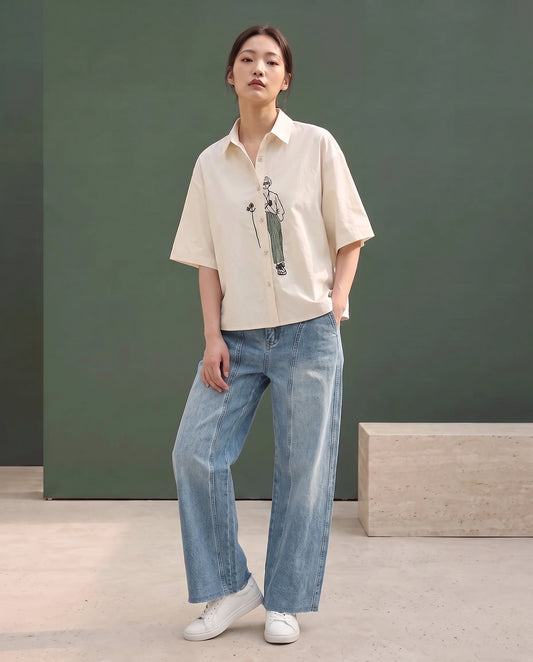
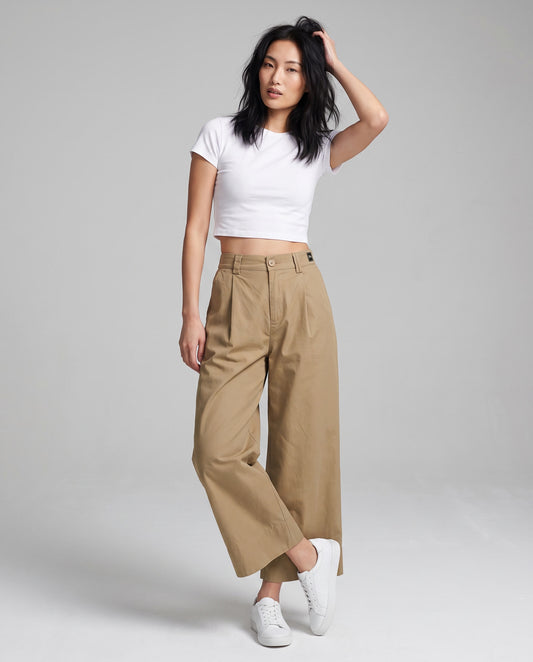
Solid trousers let the print remain the focus. Wide-leg trousers can work with a printed shirt when the shirt is tucked or partly tucked, or when it is worn open over a simple base. A straighter trouser creates a more contained line.
Denim
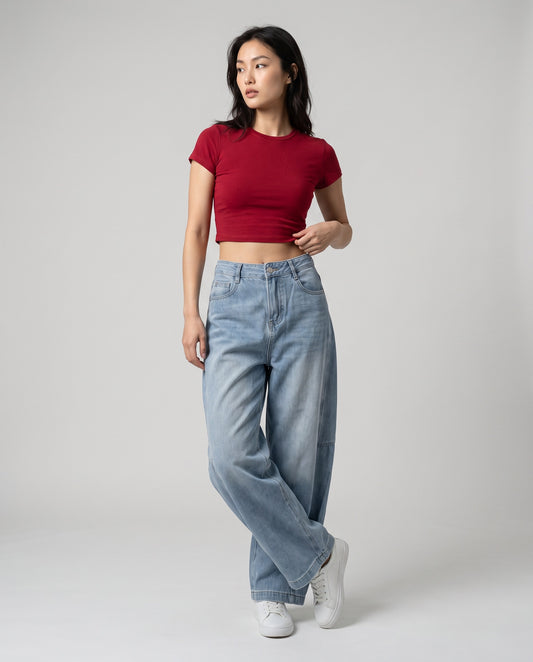
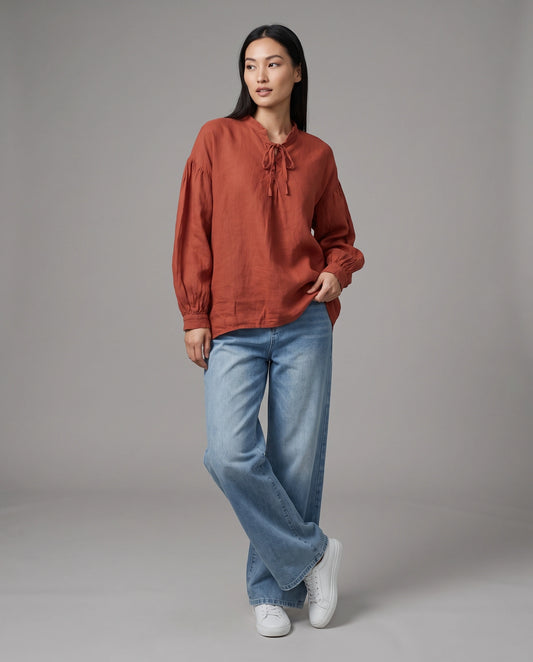
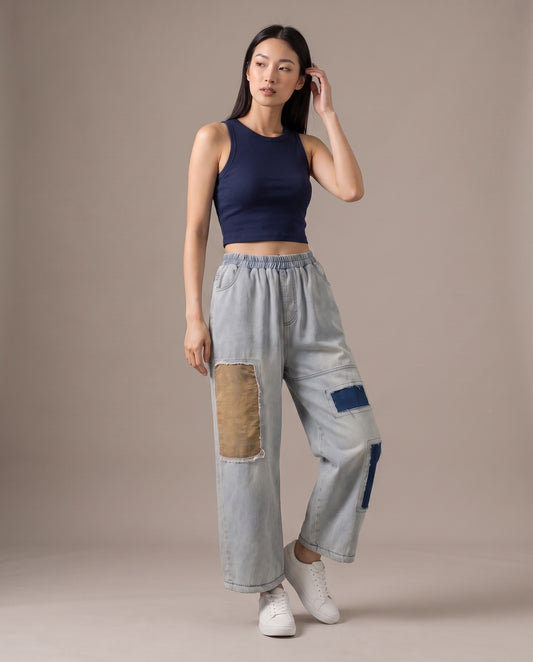
Denim can make a printed shirt feel more everyday. Choose a cut that gives the shirt room to be seen. If the shirt is oversized, a shorter or more defined bottom layer can stop the outfit from becoming loose from shoulder to ankle.
Skirts
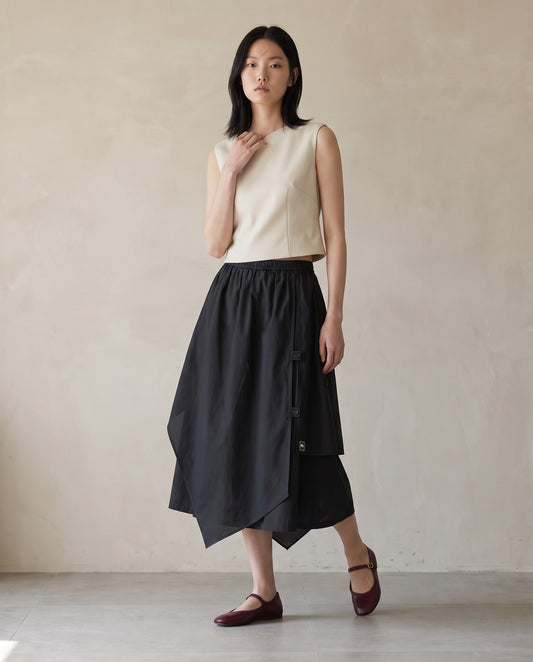
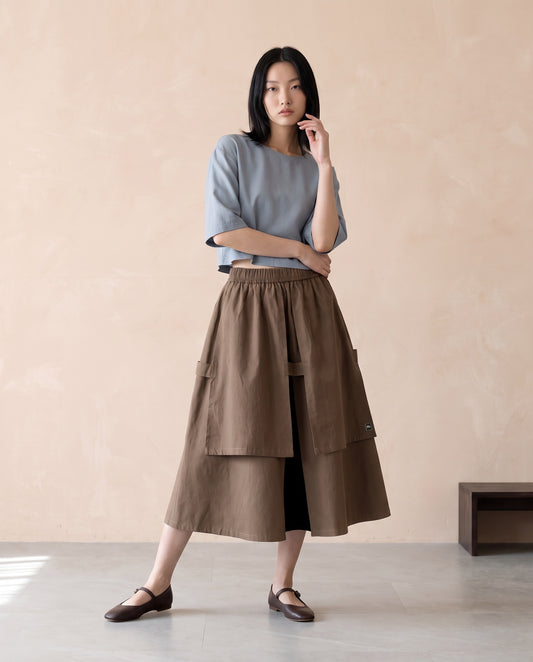
A plain midi skirt can give a printed shirt a quieter setting. Tuck the shirt in to show the waist, or wear it open over a simple top if you want a longer vertical line. If both pieces have a strong surface, keep the colours close and simplify the accessories.
Repeat one colour from the print
You do not need to match the whole outfit to the shirt. Choose one colour from the print and repeat it once, in the bottom, shoe, bag or a small accessory. This gives the outfit a link without making it look like a coordinated costume.
If the print contains several colours, choose the least dominant one for the supporting piece. That can make the outfit feel more considered than repeating the most obvious colour. A neutral from the shirt can also work as a quiet bridge between the print and the rest of the look.
How to style a printed shirt by shape
Boxy or relaxed shirt
Show where the shirt ends. Try a front tuck, a full tuck or a bottom with a clear waist. If you want to wear it loose, pair it with a longer, straighter line below or wear it open over a simple base.
Long tunic shirt
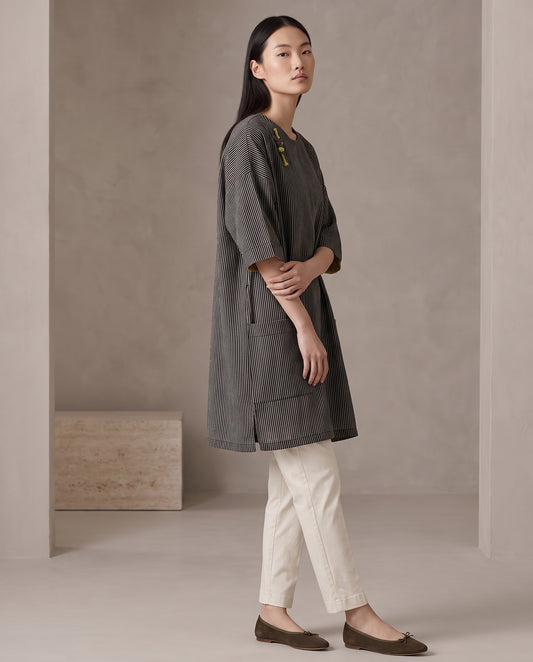
A long printed shirt can work over straight trousers, narrow trousers or a simple skirt. Leave the front open if you need more definition through the centre. Avoid adding a second long, loose layer unless it creates a clear frame.
Asymmetric shirt
An asymmetric hem already creates movement. Let it remain visible by choosing a simple bottom and a shoe that does not compete with the lower edge. A partial tuck may not suit every asymmetric shape, so try an open front or a clean untucked line instead.
How to layer over a printed shirt
A jacket, vest or overshirt can make a printed shirt easier to wear in different settings. Choose whether you want the print to remain fully visible or appear as a controlled strip at the collar, cuff or hem.
For a softer look, wear the printed shirt open over a plain base. For a more contained look, place a vest or short jacket over it and let only the collar and sleeves show. Keep the outer layer’s surface calm if the shirt already has strong pattern and texture.
Cheesecherry’s Artful Detail collection is a useful place to browse pieces where surface interest is intentional. The styling principle is simple: if the shirt carries the detail, the layer above it should give that detail space.
Printed shirts at Cheesecherry
The current Shirts collection includes several ways to work with print and texture. The Floral Jacquard Shirt with Braided Cording combines a floral surface with braided detail, so a simple bottom lets the shirt remain the main point of interest.
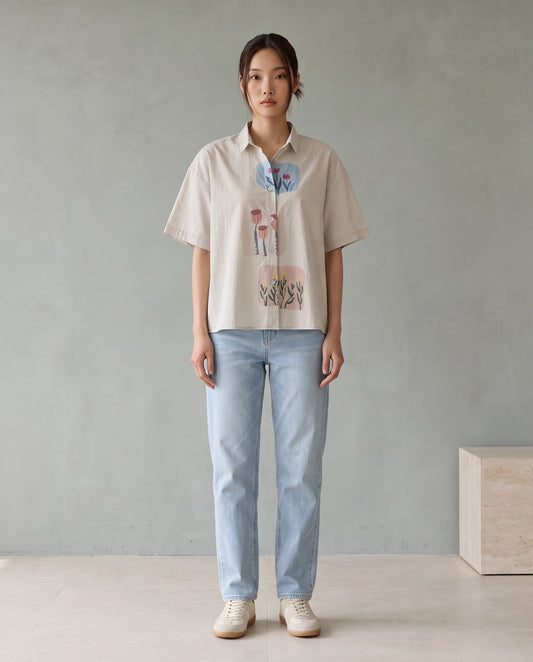
The Botanical Art Striped Short-Sleeve Shirt gives a stripe and botanical direction to a short-sleeve shape. Try it with a solid trouser or skirt and repeat one colour above or below the waist.
For an uneven hem, the Whimsical Botanical Print Asymmetrical Shirt benefits from a quieter lower half. Let the hem create the movement instead of adding another statement layer.
How to choose accessories
Accessories should finish the outfit, not compete with the shirt. One structured bag, a simple belt, a restrained group of jewellery or a shoe with a clear shape is usually enough.
If the shirt is colourful, accessories in a neutral or one repeated shade can help. If the shirt is more muted, you may have room for a stronger shoe or bag. Keep the scale in conversation with the print. A very small accessory can disappear beside a large motif, while several large accessories can make the outfit feel overworked.
Which shoes work with a printed shirt?
The shoe depends on the bottom and the setting. Sneakers, sandals and flats make a printed shirt feel relaxed. Loafers or a short boot bring more structure. A substantial shoe can support a wide trouser, while a lighter shoe can keep a short skirt or cropped bottom open.
Do not match the shoe to the print literally. Look at the overall shape from shoulder to hem, then choose the shoe that gives the lower half a stable finish.
Three easy outfit formulas
Printed shirt with solid wide-leg trousers
Tuck or partly tuck the shirt, keep the shoe simple and let the width of the trouser balance the print. This works especially well when the shirt has a shorter or defined hem.
Printed shirt with denim
Use denim to make the shirt feel more relaxed. Add a simple flat or sneaker and keep the bag quiet. The contrast between everyday denim and a considered print keeps the outfit from feeling precious.
Printed shirt over a plain base
Wear the shirt open over a simple T-shirt or tank, then add a straight trouser or skirt. This formula shows the print while using the open front to create a clean vertical line.
How to know when the outfit is finished
Look at the outfit from a distance and identify the first thing you notice. If the shirt is meant to lead, can you still see its print clearly? Is the lower half giving it enough space? Are the accessories helping or introducing a second focal point?
If the outfit feels too busy, remove one detail before changing everything. Take away a patterned accessory, simplify the shoe or switch the bottom to a solid colour. If it feels flat, repeat one colour from the shirt or add one clean layer instead of adding another print.
For more ideas about styling expressive denim, read How to Style Printed and Embroidered Jeans Without Overdoing the Outfit. The same principle applies here: let one surface lead and give the rest of the outfit a useful supporting role.
Printed, not overworked
A printed shirt does not need to be toned down until it becomes ordinary. It needs proportion, a clear colour relationship and enough space around the print to remain visible. Start with the shirt, choose a stable bottom, repeat one colour if useful and edit the accessories.
That balance lets a botanical, striped, graphic or textured shirt feel like part of an everyday wardrobe rather than a special-occasion piece.

Comments
No comments yet - be the first to comment!