


SS’26 NOW LIVE
10% OFF YOUR FIRST ORDER · FIRST10
FREE SHIPPING ACROSS INDIA
SS’26 NOW LIVE
10% OFF YOUR FIRST ORDER · FIRST10
FREE SHIPPING ACROSS INDIA
SS’26 NOW LIVE
10% OFF YOUR FIRST ORDER · FIRST10
FREE SHIPPING ACROSS INDIA
SS’26 NOW LIVE
10% OFF YOUR FIRST ORDER · FIRST10
FREE SHIPPING ACROSS INDIA
SS’26 NOW LIVE
10% OFF YOUR FIRST ORDER · FIRST10
FREE SHIPPING ACROSS INDIA
SS’26 NOW LIVE
10% OFF YOUR FIRST ORDER · FIRST10
FREE SHIPPING ACROSS INDIA
SS’26 NOW LIVE
10% OFF YOUR FIRST ORDER · FIRST10
FREE SHIPPING ACROSS INDIA
SS’26 NOW LIVE
10% OFF YOUR FIRST ORDER · FIRST10
FREE SHIPPING ACROSS INDIA
SS’26 NOW LIVE
10% OFF YOUR FIRST ORDER · FIRST10
FREE SHIPPING ACROSS INDIA































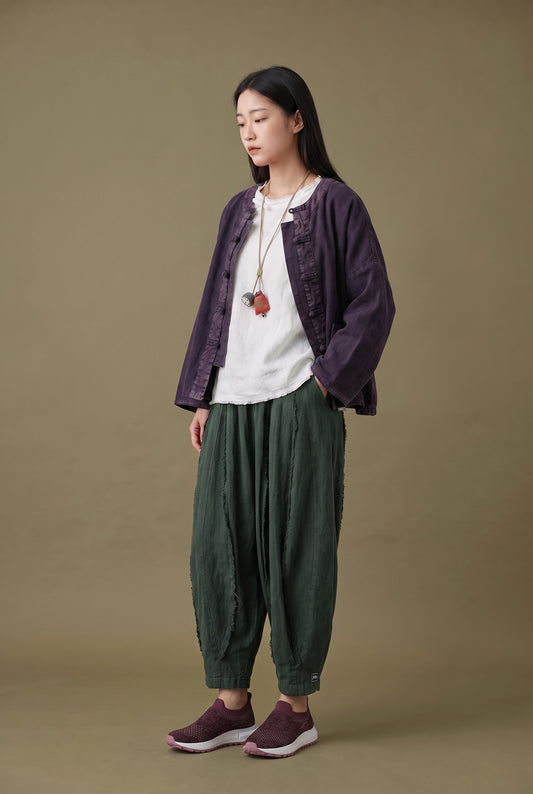

















How to Style a Tunic Top: Easy Proportions for Everyday Outfits
Share
A tunic top is longer than a conventional shirt, usually falling somewhere around the upper thigh or mid-thigh. That extra length makes it useful for relaxed dressing, but it also changes the proportions of an outfit. The easiest way to style one is to decide what you want the long line to do: create a clean column over narrow bottoms, balance a fuller trouser, or become the main shape over a skirt.
The goal is not to make a tunic look like a tucked-in shirt. Let its length stay visible, then build the rest of the outfit around volume, hem placement and visual balance.
What makes a tunic top different?
A tunic has more length and often more ease than a standard top. That can make it feel comfortable and easy, but wearing it with another oversized piece without a plan can make the outfit look heavy. The most useful question is where the eye should notice the transition between the top and the bottom.
If the tunic is long and relaxed, a straighter or narrower bottom gives the outfit a clear base. If the tunic is more controlled through the shoulders or hem, it can work with wider trousers or a fuller skirt. The shape of the hem matters as much as the width of the body.
How do you style a tunic top with pants?
1. Pair a long tunic with a clean, straight bottom
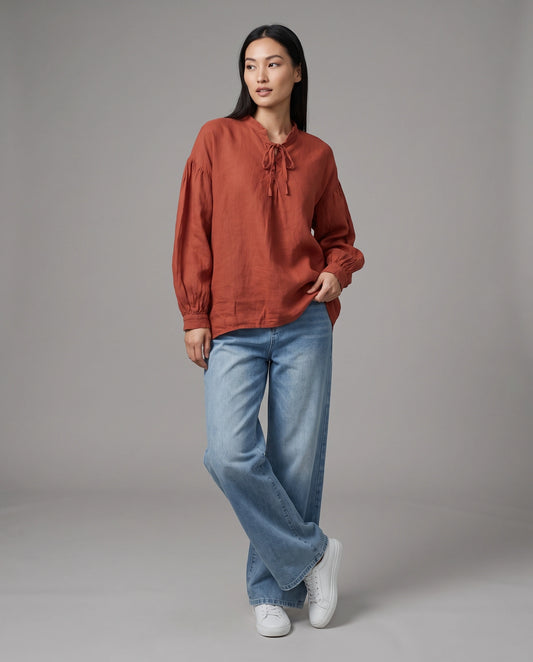
This is the simplest formula. Wear a longer tunic with straight trousers, slim trousers or a gently tapered pair so the lower half does not compete with the top. The effect is a long vertical line with enough room to move.
Keep the footwear visually simple when the tunic has a noticeable print, stripe or surface detail. A flat sandal, simple sneaker or low-profile shoe lets the hem and the line of the outfit do the work. If the tunic is plain, the shoe can carry a little more character.
2. Use wide-leg trousers when the tunic has a clear structure
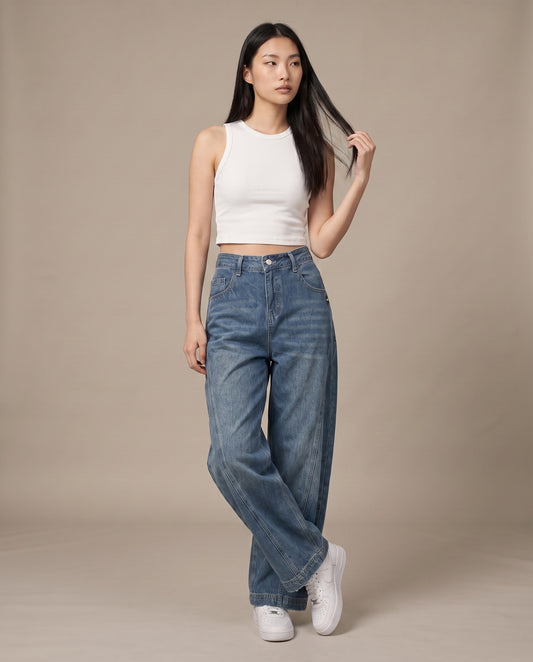
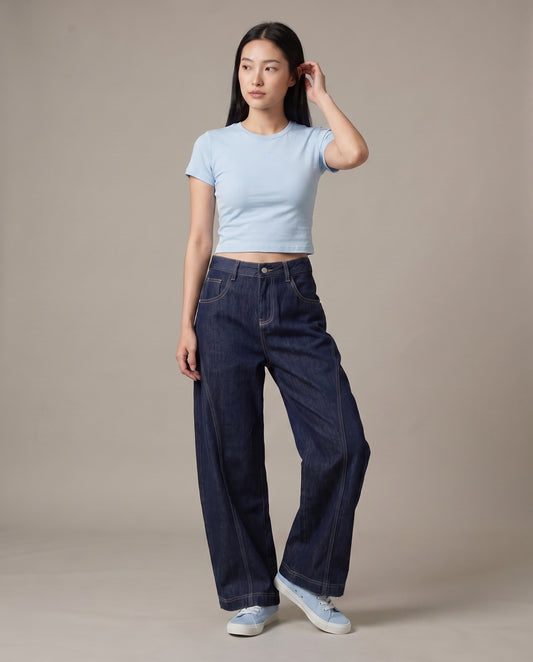
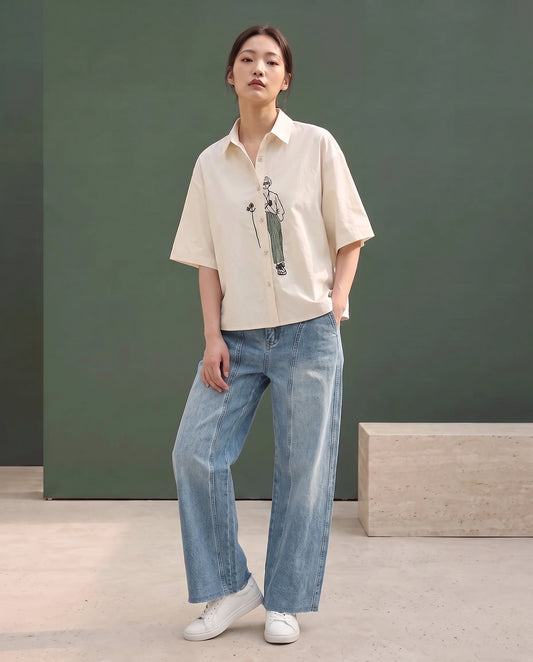
A tunic can work with wide-leg trousers, but the two pieces need a visible relationship. Look for a top with a defined shoulder, a clean side line or a hem that does not spread too widely. The trousers then provide the movement below while the tunic gives the outfit a strong upper shape.
Try leaving the tunic untucked and keeping the colour story close. A similar tonal range makes the outfit read as one long silhouette instead of two competing blocks. For a sharper break at the waist, a partial front tuck can work when the fabric and hem allow it, but it is not essential.
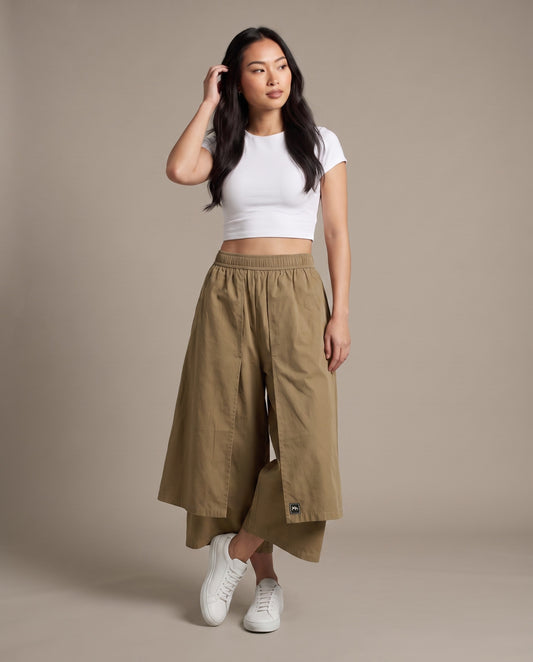
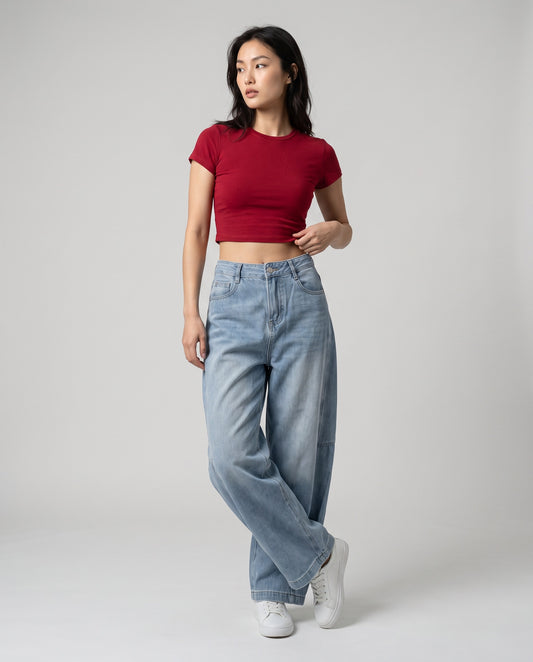
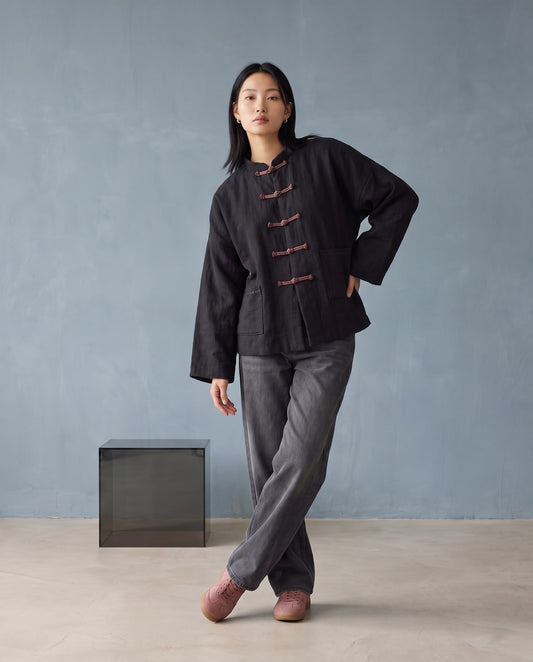
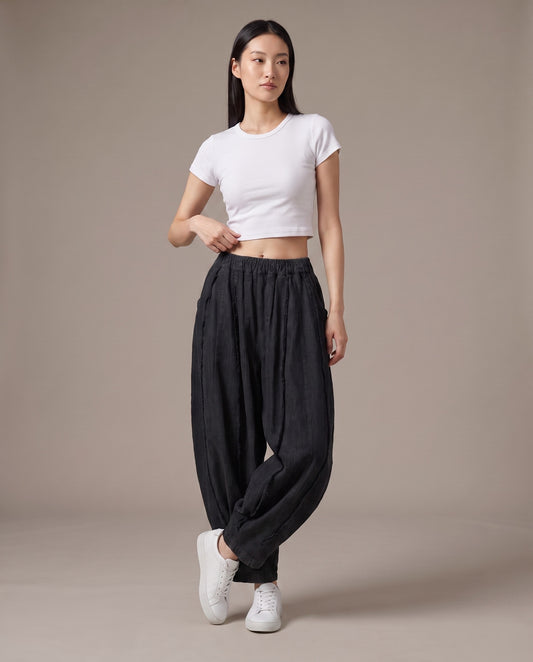
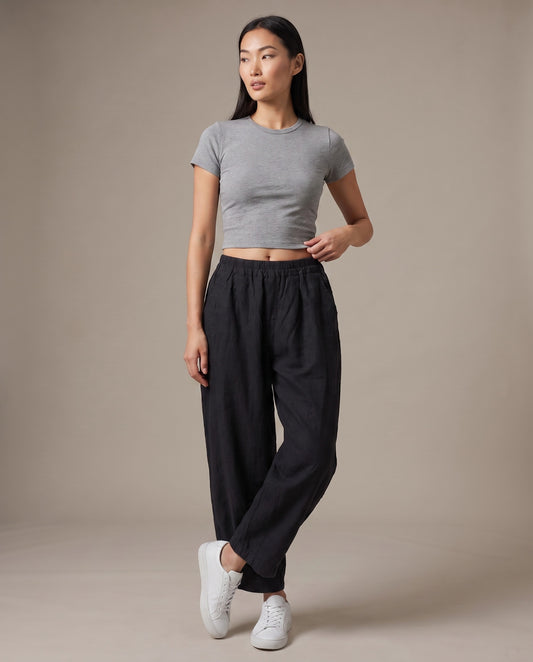
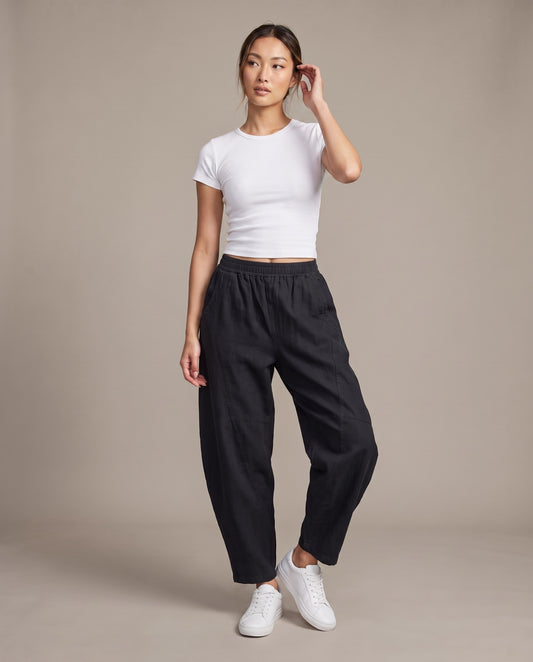
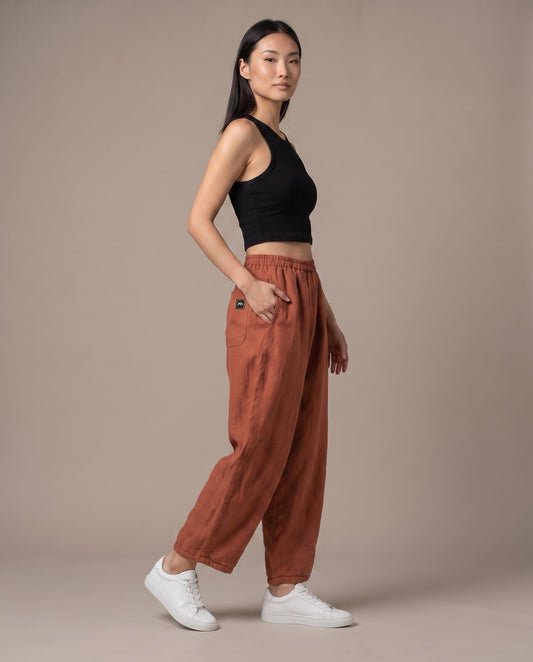
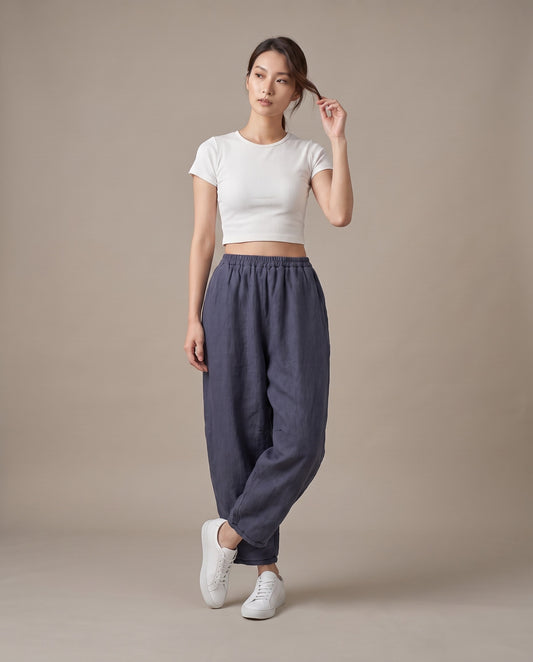
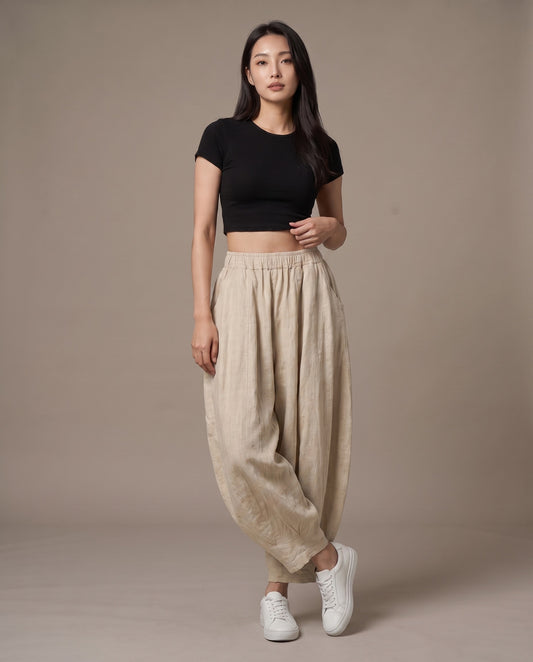
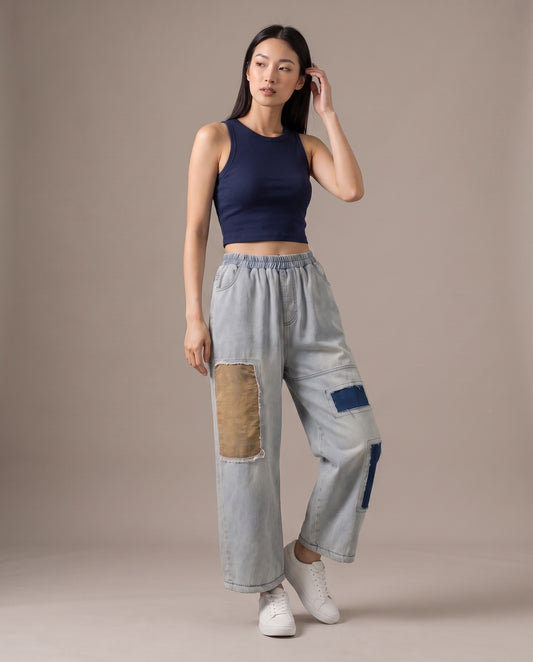
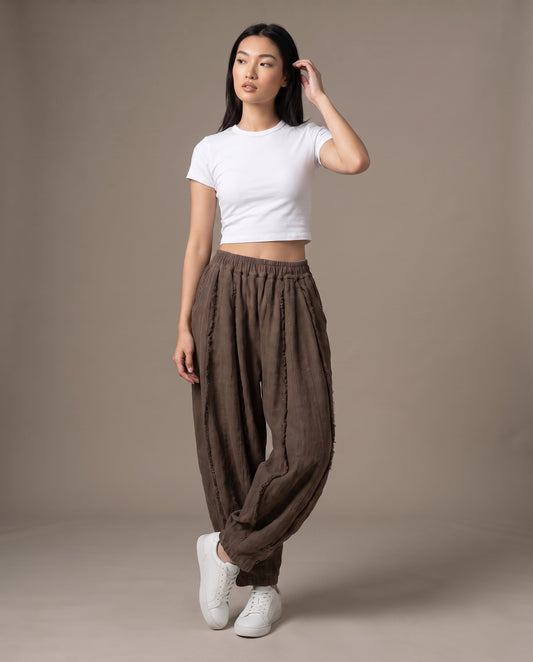
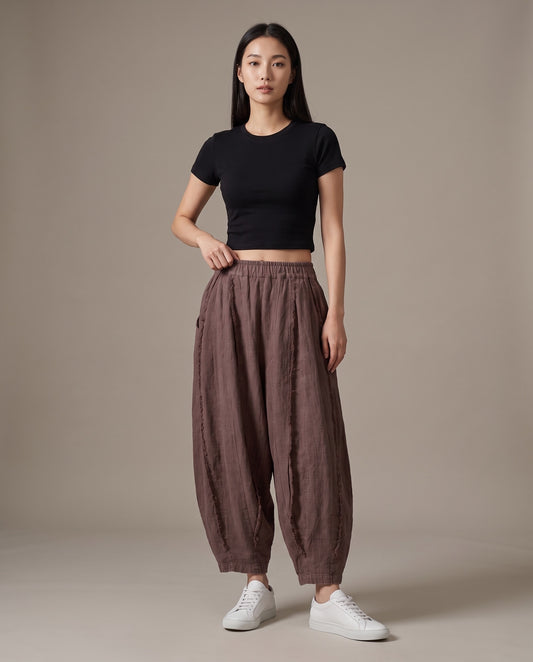
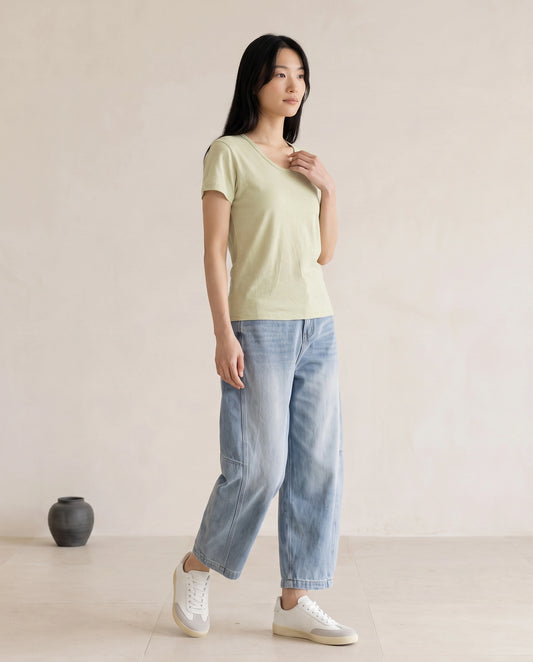
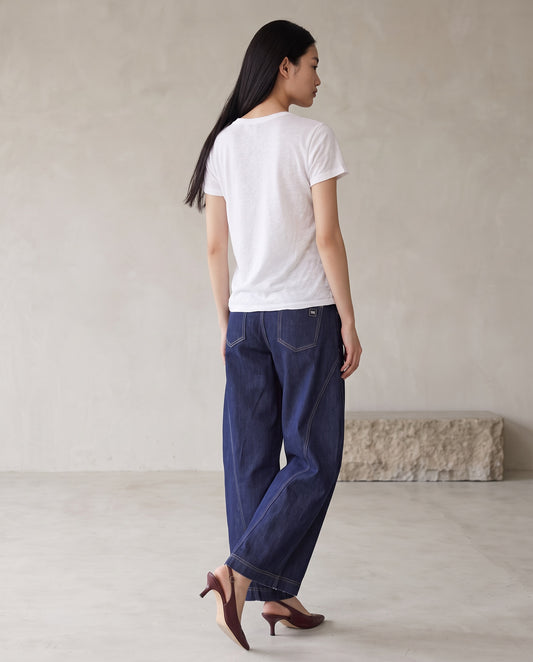
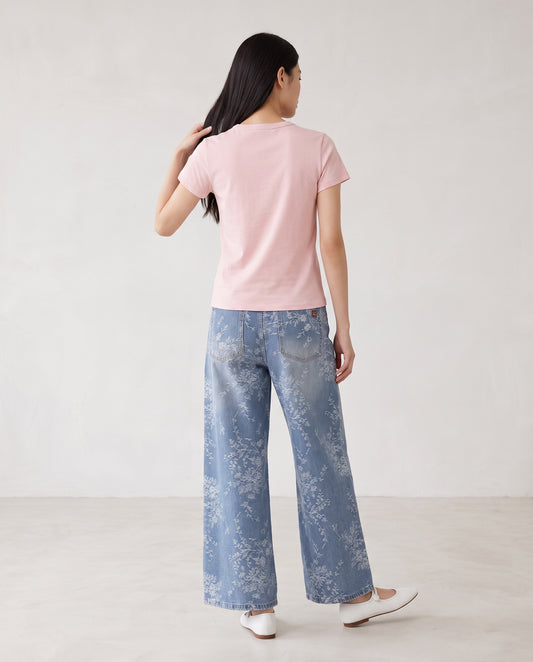
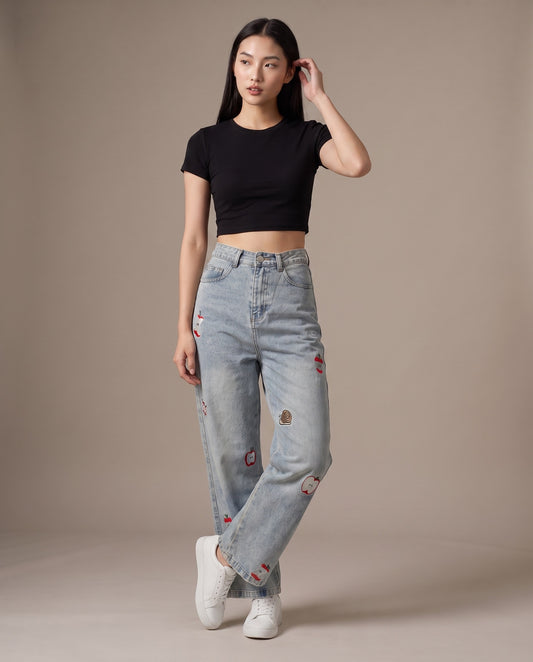
Cheesecherry’s Pants & Trousers collection is a useful place to compare different widths, from wide-leg and barrel shapes to more relaxed tapered options. The important detail is not the label of the trouser, but how its volume sits under the tunic.
3. Let cropped trousers show the ankle
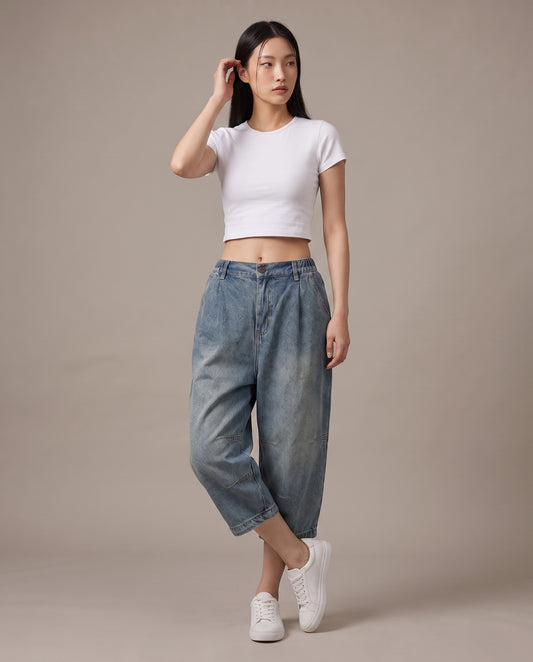
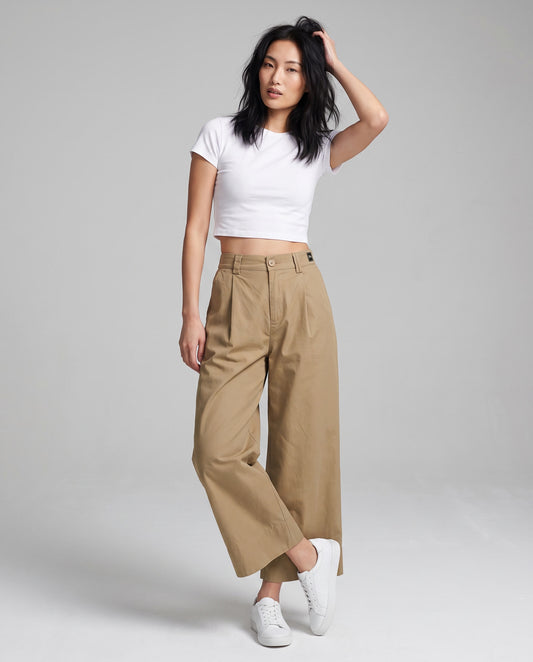
A cropped trouser can stop a long tunic from feeling too enclosed. Showing a little ankle creates a light break between the long top and the shoe, which is especially useful with a longer hem. Choose a shoe that follows the same relaxed mood, such as a sandal, loafer or low sneaker.
This formula works well when you want the tunic to remain the focus. Keep the accessories close to the body and avoid adding another long layer unless the weather calls for it.
Can you wear a tunic top with a skirt?
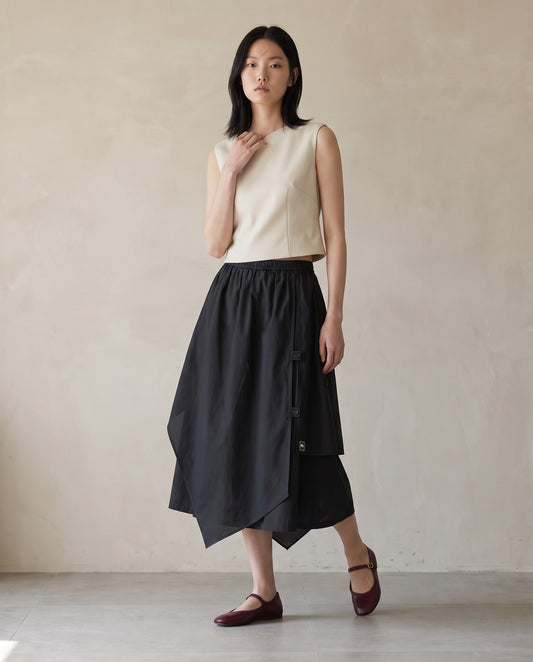
Yes, but the skirt should have a clear role. A straight or softly fitted midi skirt creates a controlled base under a loose tunic. A fuller skirt can also work when the tunic ends near the waist or upper hip, allowing the skirt to begin without too much overlapping volume.
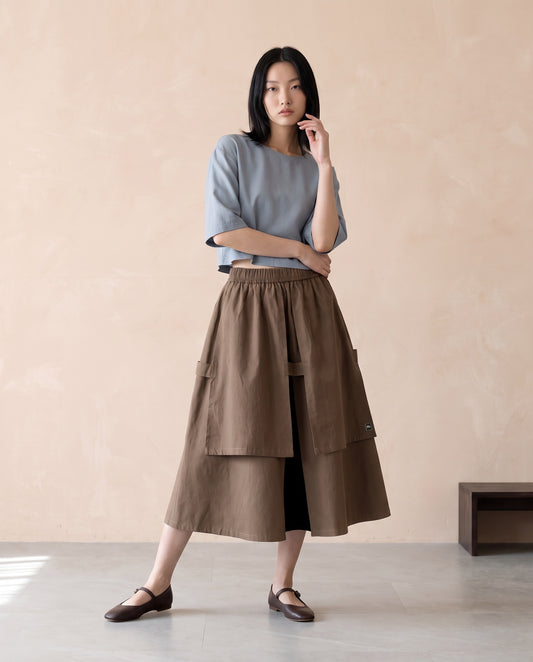
For a longer tunic over a midi skirt, use one of three balancing choices: keep the skirt visually quiet, show a deliberate section of the skirt below the tunic, or add a small front tuck to reveal the waist. Avoid a random-looking strip of skirt if the lengths do not relate. A small adjustment to the hem relationship can make the outfit look considered.
Browse the Skirts collection for midi shapes that can provide a clean base. A longer top often looks strongest with a skirt whose surface is not too busy, unless the two pieces share a clear colour or pattern connection.
How to style a printed or detailed tunic
A tunic with a stripe, print, embroidery or a distinctive closure already has a point of focus. The rest of the outfit should support that detail rather than repeat it everywhere.
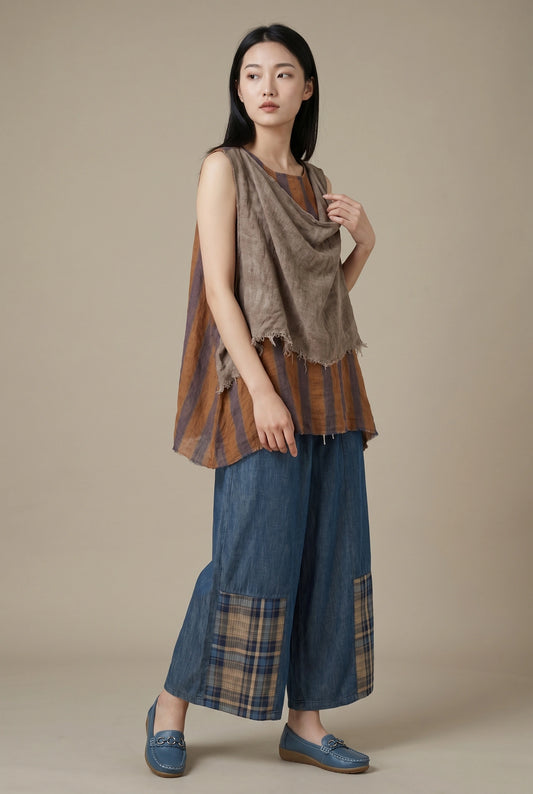
Start with a quiet bottom in a colour already present in the tunic. This keeps the eye moving through the outfit without creating another competing focal point. If the top has a vertical or linear pattern, a simple wide-leg trouser can echo the direction without copying the print. If it has a strong decorative detail near the neckline or front, keep the necklace minimal or leave it out.
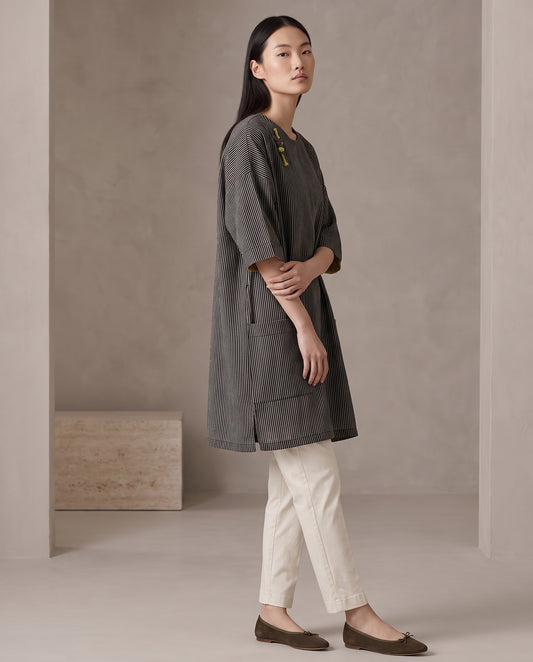
Cheesecherry’s Petal Stripe Linen Tunic is a useful example of a longer, relaxed top with a stripe in its name and a listed length of 93.5 cm. Let it remain the main pattern, then pair it with a plain trouser or skirt and a simple shoe.
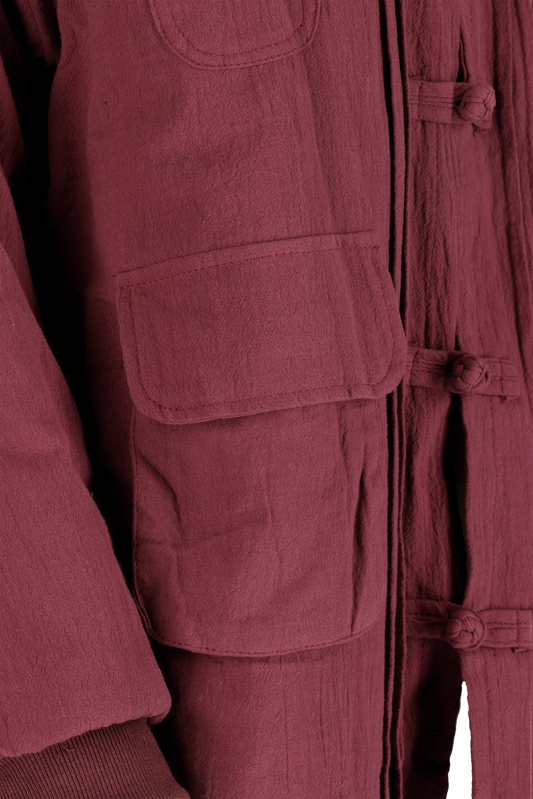
For a more graphic direction, the Black Pinstripe Frog-Detail Tunic Top combines a pinstripe reference with a frog detail. Because both details are already part of the garment’s identity, the cleanest styling is to keep the bottom and accessories restrained.
How to create shape without tucking in
A tunic does not need to be tucked to look shaped. Look for the natural points where the garment narrows, such as the shoulder line, side seam or hem. You can also create definition with the layers around it.
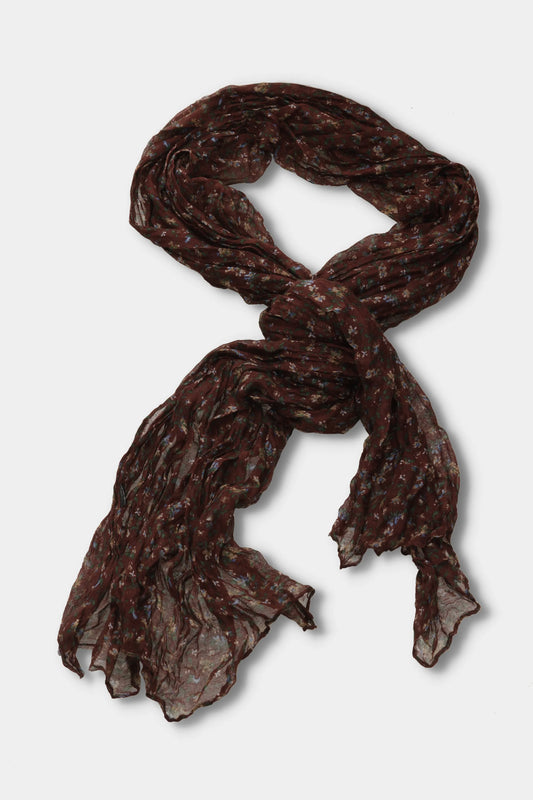
A short jacket or vest over a longer tunic introduces a second horizontal line and makes the outfit feel more deliberate. Keep the outer layer shorter than the tunic so the lower hem remains visible. A scarf worn close to the neck can add structure near the face without adding width at the waist.
If you use a belt, place it only where the tunic’s fabric falls comfortably and where the belt does not fight the garment’s original shape. A loose tie or partial fastening often feels more natural than pulling a relaxed tunic tightly into place.
Three easy tunic outfit formulas
Tunic plus straight trousers
Choose a longer tunic, straight trousers and a simple flat shoe. This is the most dependable everyday combination and works well when the top has a print or surface detail.
Tunic plus wide-leg trousers
Choose a tunic with a clean shoulder or controlled hem, then pair it with wide-leg trousers in a related colour. Keep the accessories compact so the outfit has room to move without becoming visually crowded.
Tunic plus midi skirt
Choose a straight or softly shaped midi skirt and decide in advance how much of the skirt should show. Matching one colour between the two pieces helps the longer layers feel connected.
The proportion check before you leave
Stand in front of a mirror and check three lines: the length of the tunic, the width of the bottom and the point where the shoe meets the outfit. If all three feel heavy, show more ankle or choose a straighter bottom. If the outfit feels too flat, add a shorter layer or a small contrast at the neckline.
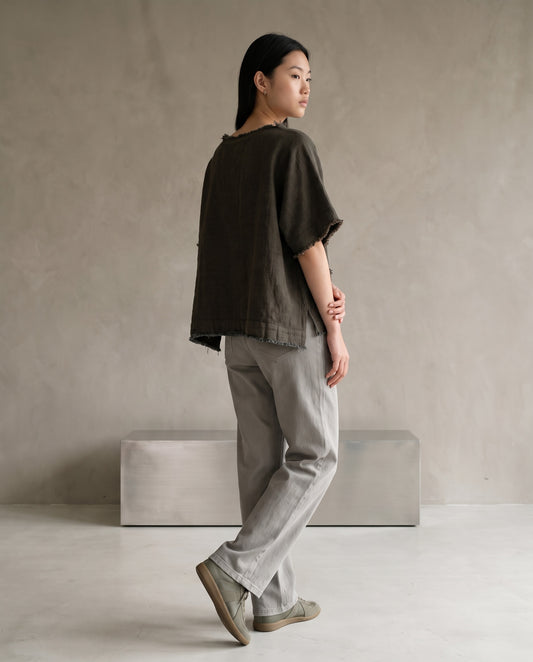
Also check the side view. A relaxed tunic should have room to fall, but it should not be surrounded by unnecessary volume at every level. One generous shape is enough. Let the other pieces provide direction and space.
Finding a tunic that works with your wardrobe
The most useful tunic is one that gives you more than one styling route. A printed or striped tunic can work with plain trousers, while a quieter tunic can take on a stronger skirt, scarf or shoe. Compare its length with the bottoms you already own before choosing it, especially if you prefer untucked outfits.
For more relaxed tops and longer everyday layers, explore Cheesecherry’s Tops collection. Start with the proportion you wear most often, then choose a tunic that gives that familiar outfit a new line rather than requiring a completely different wardrobe.

Comments
No comments yet - be the first to comment!