


SS’26 NOW LIVE
10% OFF YOUR FIRST ORDER · FIRST10
FREE SHIPPING ACROSS INDIA
SS’26 NOW LIVE
10% OFF YOUR FIRST ORDER · FIRST10
FREE SHIPPING ACROSS INDIA
SS’26 NOW LIVE
10% OFF YOUR FIRST ORDER · FIRST10
FREE SHIPPING ACROSS INDIA
SS’26 NOW LIVE
10% OFF YOUR FIRST ORDER · FIRST10
FREE SHIPPING ACROSS INDIA
SS’26 NOW LIVE
10% OFF YOUR FIRST ORDER · FIRST10
FREE SHIPPING ACROSS INDIA
SS’26 NOW LIVE
10% OFF YOUR FIRST ORDER · FIRST10
FREE SHIPPING ACROSS INDIA
SS’26 NOW LIVE
10% OFF YOUR FIRST ORDER · FIRST10
FREE SHIPPING ACROSS INDIA
SS’26 NOW LIVE
10% OFF YOUR FIRST ORDER · FIRST10
FREE SHIPPING ACROSS INDIA
SS’26 NOW LIVE
10% OFF YOUR FIRST ORDER · FIRST10
FREE SHIPPING ACROSS INDIA


































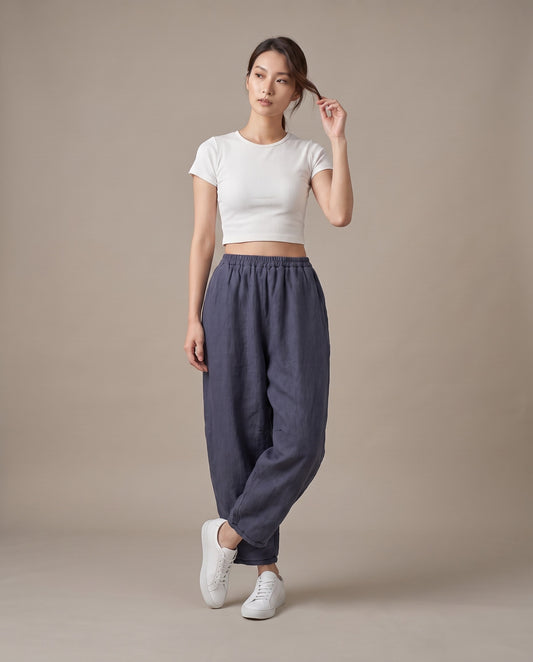

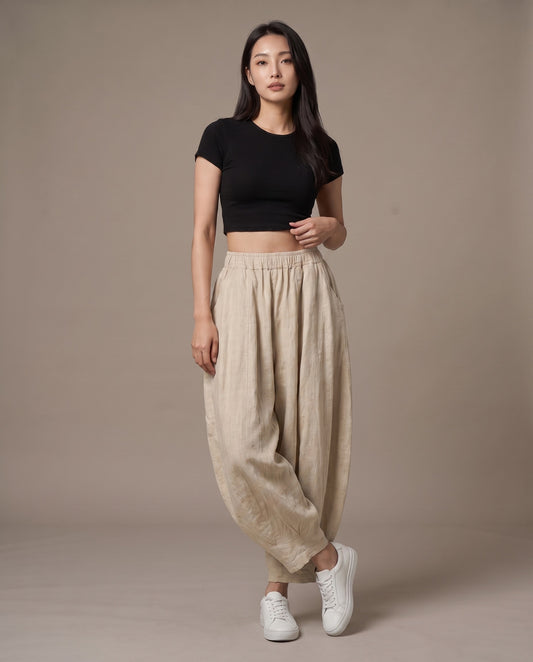
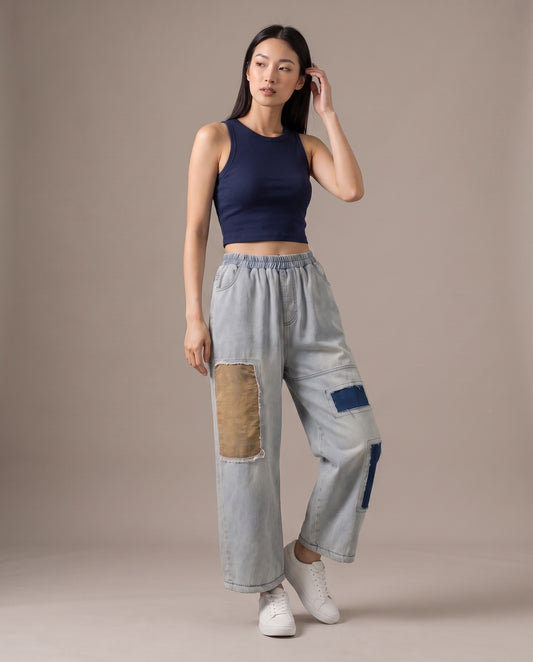


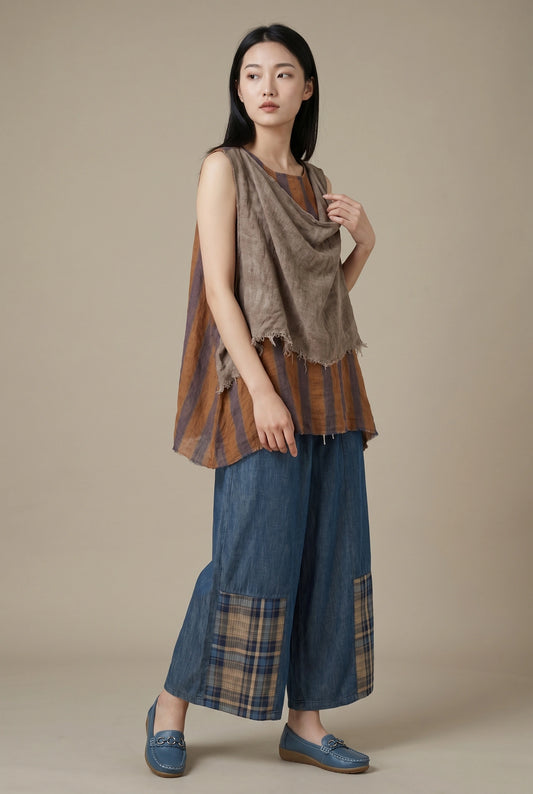












How to Layer Clothes for Indian Winter Without Looking Bulky
Share
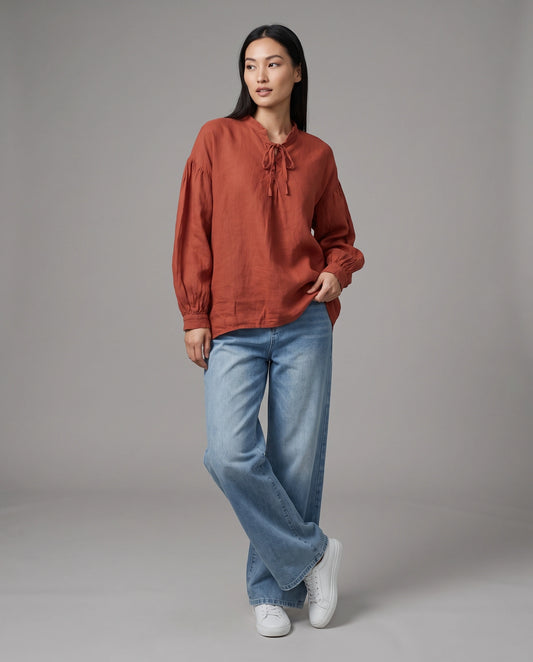
Layering for an Indian winter is less about piling on heavy clothes and more about building a useful order of layers. Start with a comfortable base, add one layer for shape or warmth, then choose an outer piece that gives the outfit a clear finish.
The bulky feeling usually comes from too many thick layers, repeated volume or hems that all stop at the same place. A lighter base, visible transitions and one main outer layer can keep the outfit warm enough for the day while allowing the clothes to move.
Why do winter layers look bulky?
Bulk happens when every layer is treated as equally important. A thick top under a thick jacket under a large scarf can flatten the proportions and make the body difficult to read. It also happens when loose pieces are stacked without a visible neckline, waistband, wrist or hem to separate them.
The solution is hierarchy. One layer should sit closest to the body, one should provide the main styling interest and one should protect the outfit from the weather or finish the silhouette. The exact number of layers can change with the day, but the order should remain clear.
Start with a light, comfortable base
The base layer should make the next layer easier, not compete with it. Choose a top that sits smoothly under the piece above it and leave a small amount of the neckline or sleeve visible when possible. A visible cuff or collar gives the outfit a clean transition.
If the base is already very loose, the outer layer may feel tight or distorted. If the base is too close and restrictive, adding another layer will not feel comfortable. Look for a middle ground that leaves room to move without creating unnecessary fabric underneath.
Use one middle layer for shape
The middle layer is where you can add personality without adding a lot of weight. A vest, overshirt, light jacket or scarf can define the centre of the outfit. Leave an opening visible or keep the middle layer shorter than the outer piece so the layers remain easy to read.
Cheesecherry’s Washed Linen Hooded Vest is one example of a sleeveless layer that can sit over a simple top without adding sleeve volume. A vest can also help when you want extra visual structure but do not want to wear another full-sleeved piece.
Choose one main outer layer
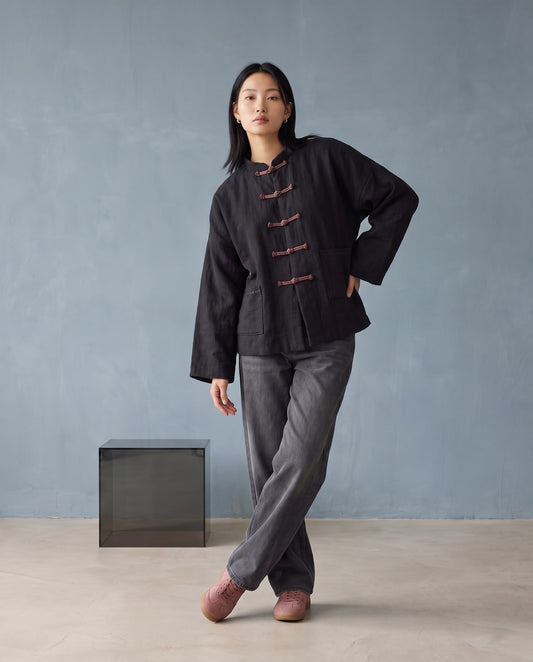
For most winter outfits, one main outer layer is enough to establish the silhouette. It might be a quilted jacket, a padded jacket, a hooded jacket or another outerwear piece. Once that layer is doing the work, keep the remaining pieces simpler.
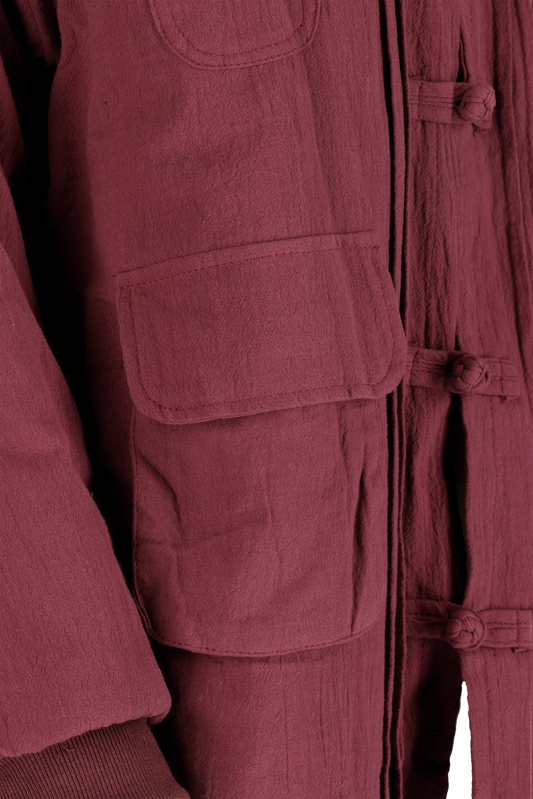
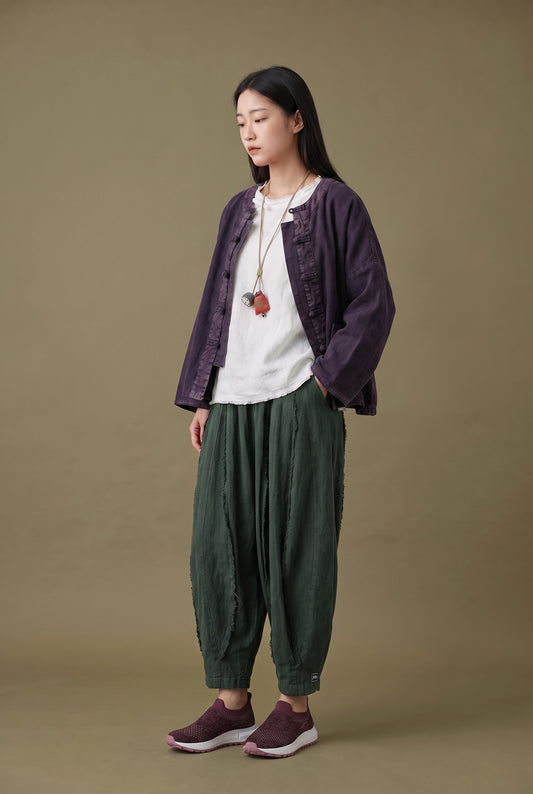
The live Heritage Padded Jacket (Dark Red) is listed as an intentionally relaxed piece and sits within Cheesecherry’s outerwear and Winter Whisper edits. The Dark Plum Quilted Linen Jacket offers another direction through its quilted jacket shape. Use either as the main outer layer, rather than adding several equally prominent jackets or thick pieces beneath it.
Match the layer lengths
Different lengths create structure. A shorter vest over a longer shirt shows the base layer. A short jacket over a wide trouser defines the waist or upper hip. A longer open jacket can create a vertical line over a simpler outfit.
What usually creates bulk is not difference in length, but a series of layers that all finish around the widest part of the body. If two layers end at a similar point, let one remain open or choose a third layer with a clearly different length.
Balance winter layers with the bottom half
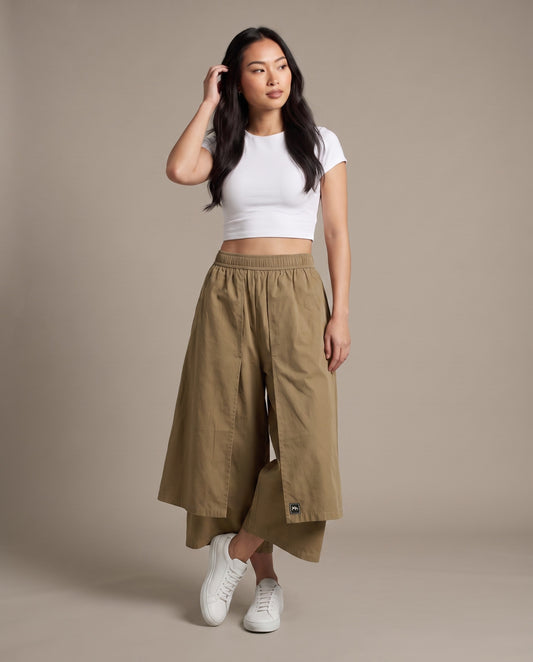
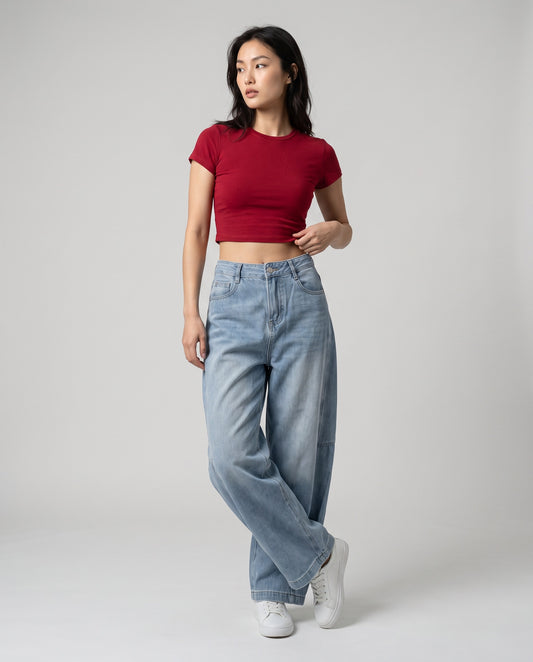
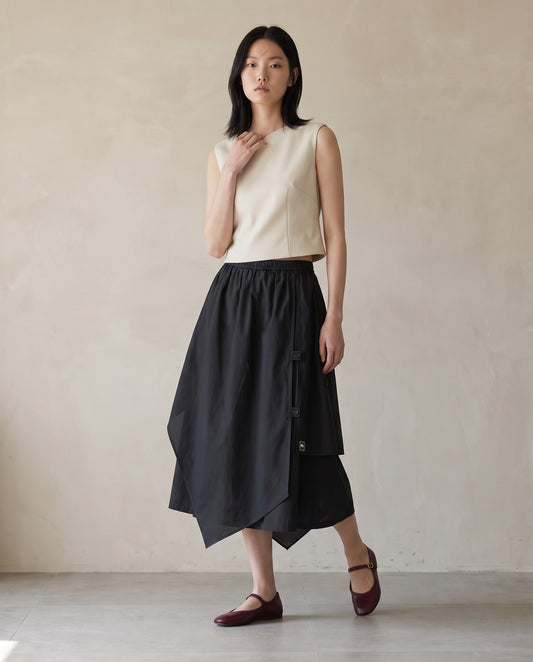
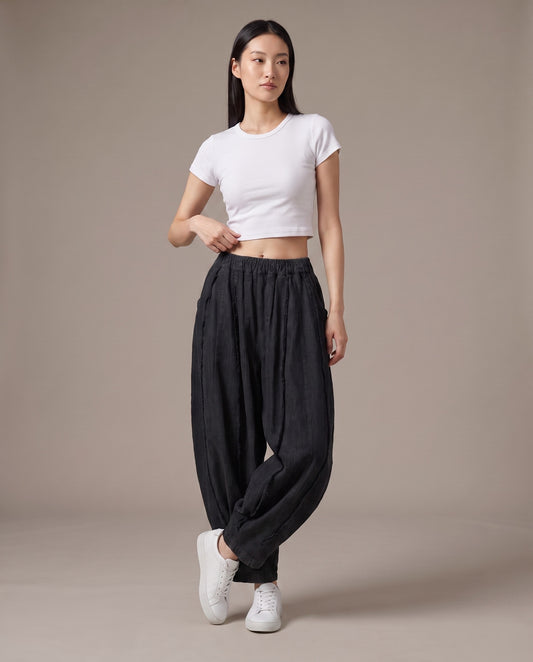
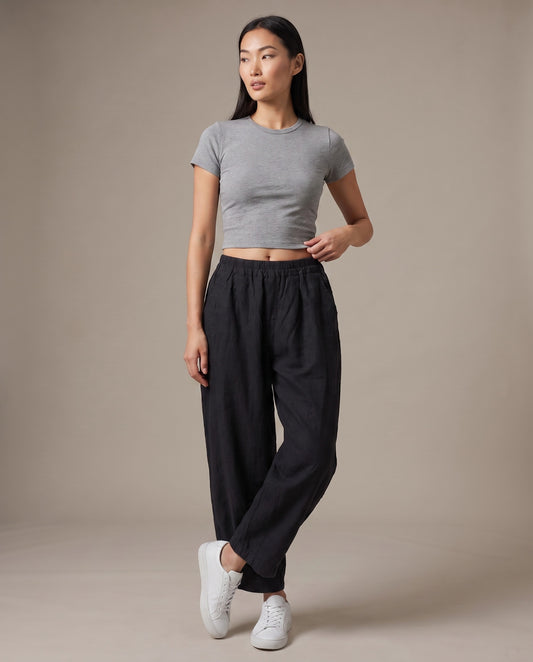
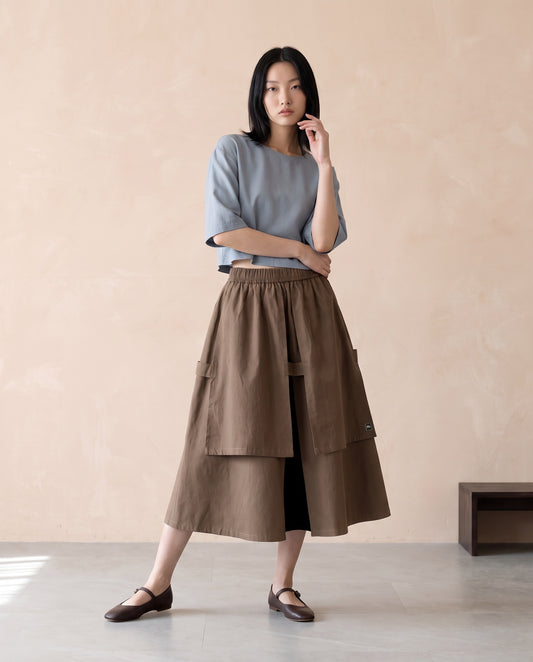
If the upper half has several layers, choose a bottom with a clear line. Straight trousers, a long skirt or a simple wide-leg trouser can give the outfit a stable base. If the bottom is already very full, keep the upper layers shorter, open or more controlled.
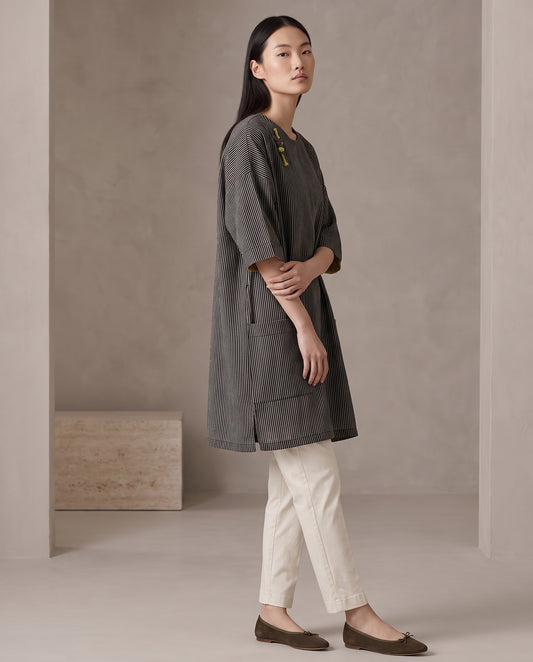
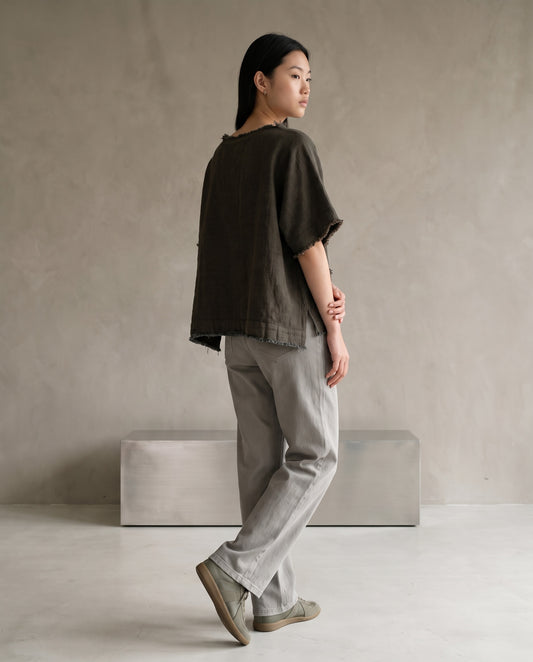
The same principle works in reverse. A simple base and a large outer layer can sit comfortably over a fuller trouser, while a long tunic or shirt may need a clearer waist or opening. Look at the outfit from the side as well as the front, because layering changes the silhouette in both directions.
Use a scarf without swallowing the neckline
A scarf can add warmth and colour, but wrapping it too tightly around a layered neckline can make the upper body feel crowded. Try a loose drape, a single wrap or a placement that leaves part of the collar visible.
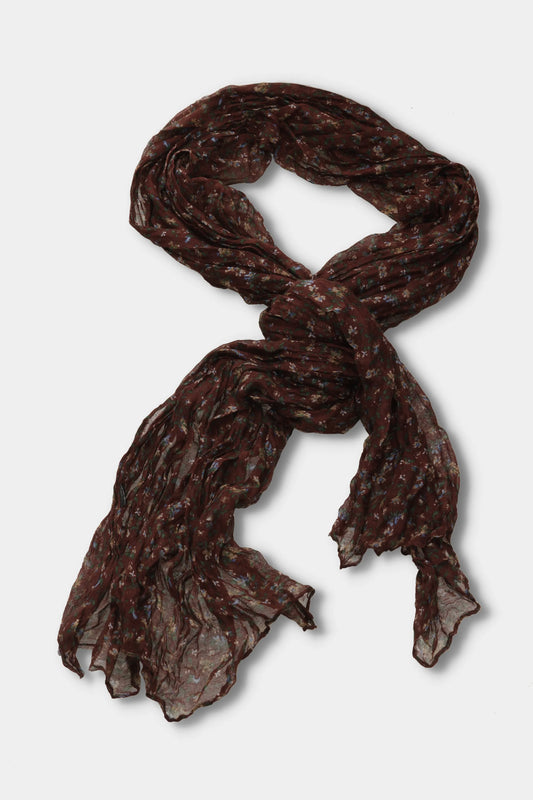
Cheesecherry’s Crinkled Floral Cotton-Linen Scarf is described in the live product listing as a lightweight gauze scarf that drapes easily. That kind of accessory can add a soft layer without creating the same visual weight as another jacket or thick wrap.
How to layer for different Indian winter days
For a mild daytime layer
Start with a simple top, add a vest or light shirt and carry or wear a jacket that can be removed easily. Keep the outer layer open when you want the base to remain visible.
For a cooler morning or evening
Use a closer base, one structured middle layer and a quilted or padded outer layer. Keep the scarf loose and let the jacket remain the main shape. This is more effective than adding several bulky tops underneath.
For changing temperatures
Build the outfit around removable pieces. A vest or scarf can be taken off without disturbing the base, while a jacket can be added when the temperature drops. A clear order makes the outfit practical as well as visually balanced.
Three easy layering formulas
1. Simple top, hooded vest and relaxed trouser
Keep the base plain, let the vest add the main shape and choose a trouser with enough room for movement. Show the neckline or sleeve so the layers do not merge together.
2. Long-sleeved top, quilted jacket and clean bottom
Use one comfortable base under the jacket and let the quilted piece be the visual focus. A straight trouser, a skirt or a clear wide-leg line will keep the lower half from competing with the outer layer.
3. Shirt, scarf and short outer layer
Let the shirt collar or hem show, drape the scarf rather than wrapping it into a high block and use a shorter jacket to create proportion. This formula works when you want warmth and detail without a long stack of layers.
How to avoid looking wider through every layer
Choose contrast in at least one place. A short layer over a long base, an open jacket over a tucked top or a visible wrist under a roomy sleeve gives the eye a break. You can also use a tonal palette to make the layers feel connected rather than adding contrast at every edge.
Pay attention to the shoulder and sleeve. If the outer jacket has a relaxed shoulder, avoid adding several oversized sleeves underneath. If the jacket is shorter and more contained, a longer shirt or scarf can provide the extra line.
Finally, edit before adding another piece. If the outfit already has a base, middle layer and outer layer, the next useful change may be a different shoe or bag rather than another garment.
Where to browse winter layers at Cheesecherry
Cheesecherry’s Winter Whisper collection brings together quilted jackets, layered pieces and relaxed winter shapes. The Outerwear collection is the broader place to look for jackets, while Vests and Scarves offer lighter ways to build a layer.
For a closer guide to one of the main outerwear pieces, read Quilted Jackets for Women: The Layering Piece Your Wardrobe Needs. The broader rule is simple: keep the base easy, choose one main outer shape and let each layer have a visible job.

Comments
No comments yet - be the first to comment!